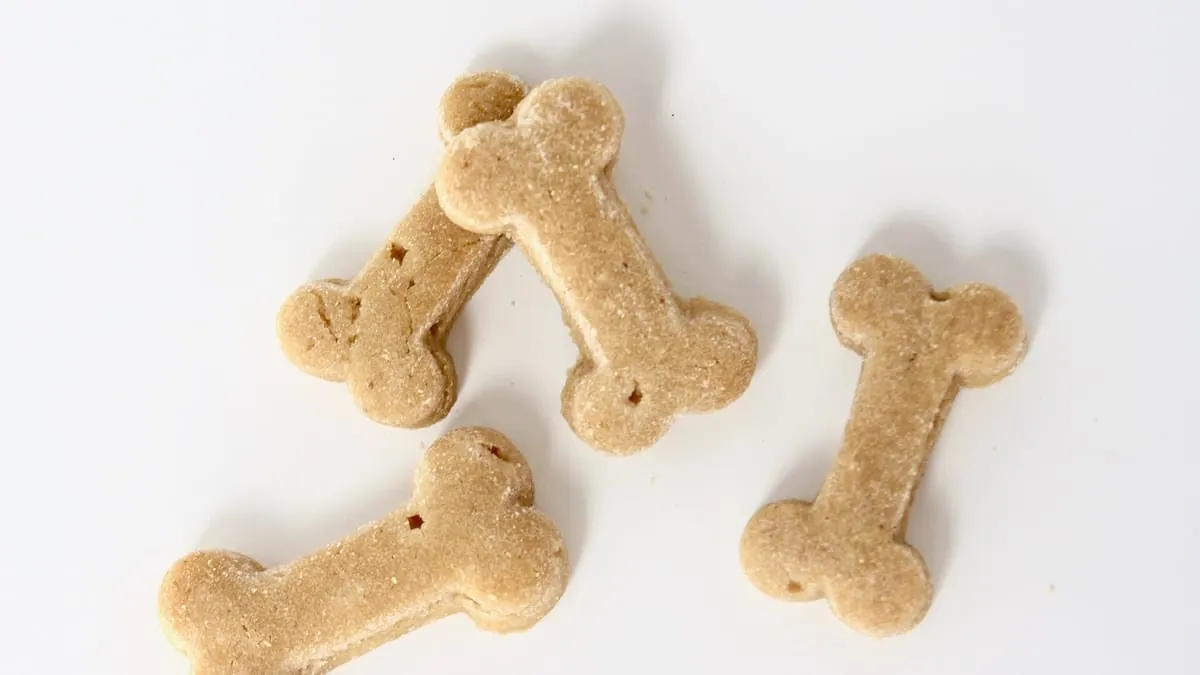
Puppy Feeding Schedule by Age and Size: A Vet-Informed Guide
How often puppies should eat from weaning to adulthood, why large breeds need controlled growth, and how to keep body condition lean with your vet.

A new puppy turns every feeding into a question. How many meals a day? How much per bowl? When does puppy food end? The answers follow one steady logic: young puppies need frequent, precisely balanced meals, and the schedule gradually simplifies as growth slows. What follows is a framework built on AAFCO labeling standards, WSAVA guidance, and everyday veterinary practice — a starting point to adapt with your own veterinarian rather than a rigid timetable handed down by the internet.
Early weeks: from weaning to three months
Puppies are typically weaned around six to eight weeks of age, and many breeders begin offering softened solid food as early as three to four weeks. Once a puppy is fully weaned, the combination of a tiny stomach and enormous energy demands argues for structure. Most veterinary sources suggest three to four small meals a day at this stage, spaced evenly across waking hours. [1]
Very small puppies may need more frequent feeding and closer monitoring than larger puppies because low blood glucose can be dangerous. Ask the veterinarian for an age- and size-appropriate schedule rather than applying one meal count to every toy breed. Weakness, trembling, unusual sleepiness or missed meals in a vulnerable puppy merits prompt advice.
Free-feeding, meaning food left down all day, is tempting with a distracted young pup but has real drawbacks. Scheduled meals make it easier to notice a waning appetite early, track how much is actually eaten, and support house training, because puppies on a rhythm tend to relieve themselves on a predictable timetable too.
Whatever schedule you choose, consistency matters more than perfection. Feed at roughly the same times each day, measure the total daily portion rather than eyeballing each bowl, and divide that portion across the day's meals. A kitchen scale removes most of the guesswork, since measuring cups vary widely with kibble shape and density.
The middle months: moving toward two meals
Between three and six months, most puppies settle into three meals a day. Around six months — sometimes a little earlier in small breeds, later in giants — the daily ration can be split into two meals, which remains the adult norm. Watch stools, energy, and body condition; if the transition brings soft stool or frantic hunger, slow down.
Dental and digestive maturity makes the shift possible, but it is not a deadline. Toy breeds often stay on three meals longer because of hypoglycemia risk, and deep-chested large breeds may benefit from smaller, more frequent portions when advised by their veterinarian; meal frequency alone is not protection against bloat, the life-threatening emergency veterinarians call gastric dilatation-volvulus.
Treats during training count, too. Puppies are learning constantly, and the calories add up quickly. Keep extras within roughly ten percent of daily intake, and consider using part of the measured kibble ration as training rewards so the day's total stays on target. [3]
Large-breed puppies and controlled growth
Breed size changes the conversation. Large and giant breed puppies — dogs expected to reach seventy pounds or more as adults — are unusually vulnerable to developmental orthopedic disease, including osteochondrosis and hip dysplasia, when growth runs too fast. Excess calories and excess calcium are the two best-documented dietary drivers of that risk. [2]
This is why AAFCO recognizes a distinct labeling claim for foods formulated for growth of large size dogs, and why such formulas carry tighter calcium limits than ordinary puppy food. A review in the Journal of the American Veterinary Medical Association notes that AAFCO's growth profile holds calcium within a defined range per thousand kilocalories, with stricter ceilings for large-breed growth formulas.
Calcium and supplements
Calcium supplements deserve particular caution. Adding calcium to an already balanced puppy diet, especially a large-breed formula, can push intake past safe limits, and research has linked this practice to skeletal abnormalities in growing dogs. If your puppy's food is complete and balanced for growth, supplements are usually unnecessary and sometimes harmful. Discuss any additions with your vet first.
Growth diets also stay on the menu longer for big dogs. Small breeds generally transition to adult food around ten to twelve months, medium breeds a bit later, and large or giant breeds often between eighteen and twenty-four months, once skeletal growth has essentially finished. Your veterinarian can time the switch to your individual dog rather than to a generic chart.
Body condition, portions, and the vet's role
The label feeding guide is a starting estimate, not a prescription. Manufacturers design it to cover a wide range of individuals, and activity, neuter status, and metabolism all shift real needs. Weigh your puppy every week or two and adjust portions so the trend line rises steadily, without prominently visible ribs or a rounding waist.
Learn to assess body condition with the veterinary team rather than relying on a breed-size chart alone. For many dogs, readily felt ribs, a visible waist and an abdominal tuck are useful observations, interpreted alongside growth and muscle. Track changes between visits. A puppy should receive enough of a suitable growth diet without being pushed to grow as fast or as heavy as possible.
Transitions between foods deserve patience as well. When changing brands or moving up to an adult formula, blend the new food into the old gradually over roughly a week to ten days, increasing proportions step by step. Abrupt swaps commonly cause soft stool or appetite dips, which can muddy your read on growth and health.
Finally, treat every veterinary puppy visit as a nutrition consult. Your veterinarian can verify the AAFCO nutritional adequacy statement on your food, plot weight against expected adult size, check body condition, and fine-tune meal frequency for your puppy's breed, activity, and health history. Individual advice beats any chart, including this one.
Sources and further reading
Editorially reviewed on . Sources support the topics noted below; this is not a veterinary review or individual medical advice.
- AKC: Puppy feeding fundamentals — General puppy meal progression and gradual food transitions.
- AAFCO: Reading labels — Nutritional adequacy for growth including large-size dogs.
- AAHA: Feeding plans for healthy dogs and cats — Counting treats within total intake.
More in Nutrition
All Nutrition →How Pet Food Recalls Work and How to Check Your Bag
From FDA oversight to lot codes on the label, a plain-language guide to pet food recalls and the steps to take if your bag is affected.
Cat Hydration: Wet vs. Dry Food and Your Cat's Water Needs
Why cats have a low thirst drive, how wet and dry food differ in water content, and what hydration means for feline urinary and kidney health.

The 10% Treat Rule: Smarter Snacking for Dogs and Cats
Veterinary guidance says treats should stay within ten percent of daily calories. Here is what that means and how to spend the budget wisely.