How to Read a Pet Food Label: AAFCO Rules Every Owner Should Know
Decode AAFCO pet food labels: ingredient order, guaranteed analysis, nutritional adequacy statements, and feeding directions explained for dog and cat owners.
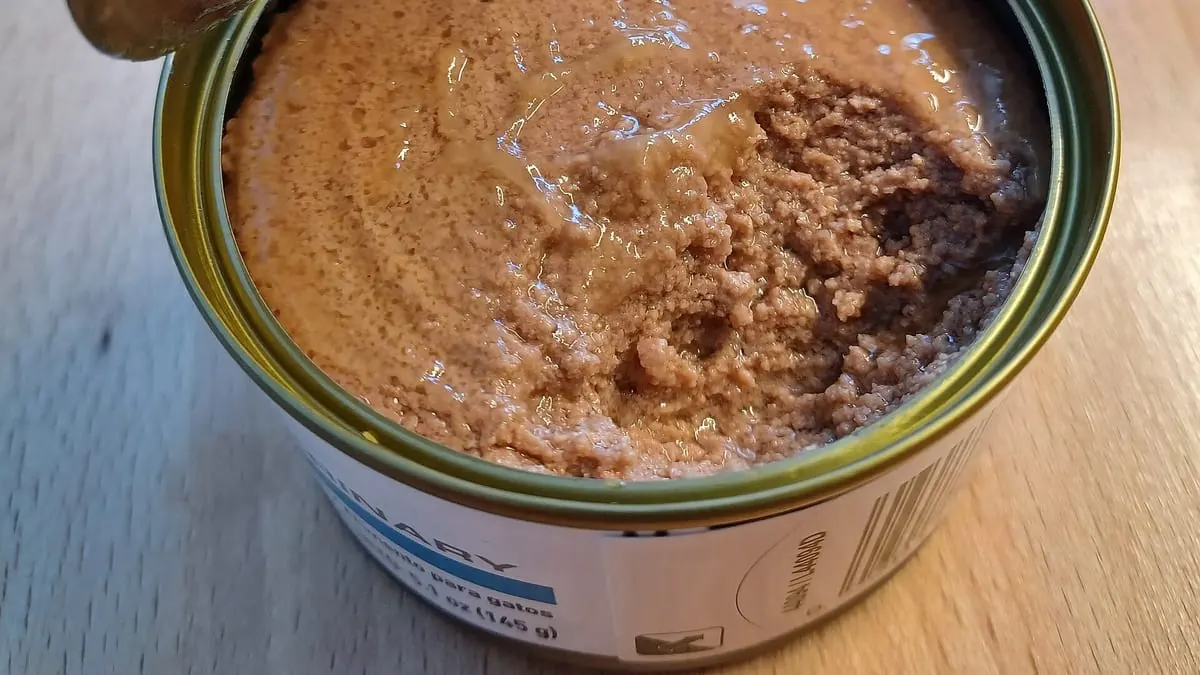
Pick up any bag or can of dog or cat food in the United States and you are holding a far more regulated document than it first appears. Behind the colorful photography and front-of-pack promises sits a set of required disclosures that manufacturers must include by law. Most trace back to the Association of American Feed Control Officials, known as AAFCO, a nonprofit whose model regulations are adopted by most states and enforced by state feed control officials.
AAFCO itself does not approve foods, test products, or police the marketplace. Its role is to write the rulebook, and its membership consists of the officials who do the regulating. That division of labor matters for shoppers, because it explains why the most useful information on a pet food package rarely appears on the front, which is essentially advertising space. [1]
Under AAFCO's model rules, a compliant label must carry a defined set of elements: the product name and intended species, the net quantity, the ingredient list, the guaranteed analysis, the nutritional adequacy statement, feeding directions, a calorie statement, and the manufacturer's name and address. Learning where each one lives on the package turns baffling fine print into an orderly checklist.
Reading the front: names follow strict formulas
Even the product name obeys AAFCO conventions, and the vocabulary is more meaningful than most shoppers realize. When an animal-source ingredient appears in the name with no qualifier, as in "Beef Dog Food," that ingredient must make up at least 95 percent of the product by weight, not counting water added for processing. Including water used in processing, the named ingredient must still account for at least 70% of the product under that rule.
Under AAFCO's naming conventions, a qualifying term such as dinner normally signals at least 25% of the named ingredient or ingredients before processing water is counted, and at least 10% including that water. The with rule generally requires at least 3% of the named ingredient. A flavor claim does not require that same minimum, but the flavor must be detectable. These thresholds describe naming, not nutritional superiority.
The information panel: ingredients and guaranteed analysis
Flip the bag over and the ingredient list begins. AAFCO rules require ingredients to be listed individually, by their defined names, in descending order by weight before cooking. Because fresh meats carry a great deal of water, they can appear first even when a dried meat meal contributes more protein once the moisture is gone. The list is honest, but it rewards readers who understand what it can and cannot tell you.
It also rewards readers who watch for a practice known as ingredient splitting, in which several related ingredients, say ground peas, pea protein, and pea fiber, are listed separately. Each ranks lower than it would if weighed together, which can make a formula look more meat-forward than it truly is.
Below the ingredient list sits the guaranteed analysis, which states minimum percentages of crude protein and crude fat and maximum percentages of crude fiber and moisture. The word "crude" refers to the laboratory testing method, not to quality, and the minimums and maximums describe legal floors and ceilings rather than typical amounts. Two foods with identical guaranteed analyses can be very different in practice, and comparing wet to dry requires converting the numbers to a dry-matter basis first.
The panel should also carry a calorie statement, given both per kilogram of food and per household measure such as a cup or can, so owners can see how energy-dense each product really is.
The nutritional adequacy statement: the most important sentence on the bag
If you read only one thing on the package, make it the nutritional adequacy statement, printed in small type with the other disclosures. It tells you whether the food is complete and balanced for a named life stage, whether growth, adult maintenance, or all life stages, and how that claim was substantiated. A food lacking the statement, including most treats and toppers, is not designed to be the sole diet.
AAFCO recognizes two pathways. A food may be "formulated to meet" the AAFCO nutrient profiles, meaning the recipe was calculated to contain the required nutrients, or it may have passed "animal feeding tests using AAFCO procedures," in which real animals ate the food for a defined trial period while their health was monitored. The second method provides somewhat stronger evidence, though both are minimum standards rather than a guarantee of optimal nutrition.
"Complete and balanced" is a defined term, not a slogan. Complete means the food supplies every nutrient the animal requires; balanced means those nutrients arrive in the right proportions relative to one another. It is a floor, not a ceiling, and a label can say it while the food remains mediocre in ingredient quality, which is why veterinarians urge owners to treat it as a starting point rather than a verdict.
Feeding directions and the limits of the label
Feeding directions are another required element, and they are more guidance than prescription. Manufacturers must suggest amounts by body weight, but every animal is an individual: activity, age, environment, and metabolism all shift caloric needs. Veterinarians generally advise using the printed range as a starting point, then adjusting to keep your pet at a healthy body condition assessed by feel and appearance. [2]
The label also cannot tell you everything. It does not reveal ingredient quality, digestibility, or how a company sources and tests its raw materials, and front-of-bag terms like "premium," "holistic," and "gourmet" carry no regulatory definition the way the adequacy statement does.
Because nutrition is genuinely complex, and pets with kidney disease, allergies, diabetes, or obesity may need diets far outside the ordinary, the best final step in label reading is a conversation. Bring the bag to your next veterinary appointment, or ask for a referral to a board-certified veterinary nutritionist if your pet has a diagnosed condition. An owner reading labels carefully is valuable; an owner doing it alongside a veterinarian is far more so.
Sources and further reading
Editorially reviewed on . Sources support the topics noted below; this is not a veterinary review or individual medical advice.
- AAFCO: Reading labels — Label elements, naming thresholds, ingredients and nutritional adequacy.
- WSAVA: Global Nutrition Guidelines and owner toolkit — Food selection and interpreting manufacturer information.
More in Nutrition
All Nutrition →How Pet Food Recalls Work and How to Check Your Bag
From FDA oversight to lot codes on the label, a plain-language guide to pet food recalls and the steps to take if your bag is affected.
Cat Hydration: Wet vs. Dry Food and Your Cat's Water Needs
Why cats have a low thirst drive, how wet and dry food differ in water content, and what hydration means for feline urinary and kidney health.

The 10% Treat Rule: Smarter Snacking for Dogs and Cats
Veterinary guidance says treats should stay within ten percent of daily calories. Here is what that means and how to spend the budget wisely.