Golden Retriever Breed Profile: Size, Temperament and Care
Golden Retriever facts: AKC size, lifespan, temperament, grooming and health notes, plus who this friendly sporting breed suits best.
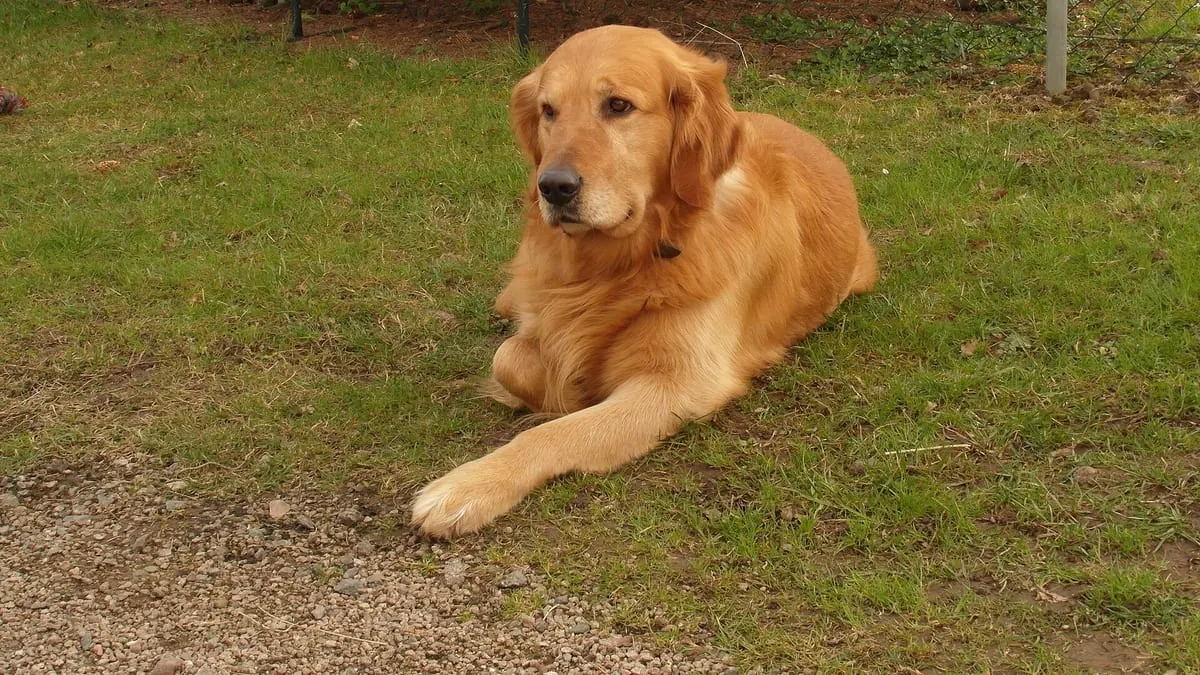
Few dogs occupy as warm a place in the public imagination as the Golden Retriever. Bred to work beside hunters and to welcome strangers into the living room, the breed manages to be both a serious athlete and an easygoing family companion. According to the American Kennel Club, the Golden Retriever belongs to the sporting group and is described in three words: intelligent, friendly, and devoted. [1]
That combination explains why Goldens consistently rank among the most popular dogs in the United States and far beyond, and why so many work as guide and service dogs, therapy visitors, and search-and-rescue animals. This profile covers the breed's history, physical traits, temperament, care needs, and health picture, so prospective owners can judge whether a Golden fits their household.
A gundog born in the Scottish Highlands
The Golden Retriever's story begins in the nineteenth century on the Guisachan estate in the Scottish Highlands, where Dudley Marjoribanks, later known as Lord Tweedmouth, set out to develop an ideal retriever for the region's marshy terrain. He kept careful breeding records, crossing yellow retrievers with the now-extinct Tweed Water Spaniel and later other sporting lines, according to AKC breed histories.
The goal was a dog that could retrieve shot waterfowl across water and heavy cover, carry game with a soft mouth, and remain biddable in the field. The result was a hardy, water-loving worker with a dense coat and an even temperament, formally recognized by the AKC in 1925.
Retrieving work is a useful way to understand this breed beyond its appearance. Carrying objects, exploring scents and working with a person can all feature in everyday enrichment. A particular dog may prefer a quiet search game to swimming or fetch, so introduce activities gradually rather than treating a breed reputation as an obligation.
Size, coat and physical presence
According to the American Kennel Club's official breed information, males stand 23 to 24 inches at the shoulder and females 21.5 to 22.5 inches, with weight from 65 to 75 pounds for males and 55 to 65 for females — an overall range of roughly 55 to 75 pounds. The body is slightly longer than tall, well balanced, and confidently carried. [2]
The head is broad with a kind, intelligent expression, the tail feathered and carried happily in motion, and the overall impression is of a dog built for stamina, with the free, ground-covering movement of its days afield.
The breed's signature is its dense, water-repellent double coat, ranging from pale cream to a deep, rich golden, with feathering on the forelegs, chest, underside, and tail. Coats come in a spectrum of shades rather than a single color, and seasonal shedding is substantial — a point worth weighing before falling for the breed's beauty.
The famous coat in practice
A double coat needs regular brushing, especially during seasonal shedding. Exercise in hot weather should be adjusted to the individual dog, with water, shade and rest available. Coat type alone cannot rank a dog's heat tolerance: health, body condition, humidity and exertion all matter.
Temperament: the friendly all-rounder
The AKC's official description — intelligent, friendly, devoted — captures the breed neatly. Goldens typically greet strangers as potential friends, which makes them poor watchdogs but excellent family companions, and they are generally patient with children and sociable with other dogs.
Intelligence is the other headline trait. Golden Retrievers learn quickly and are famously eager to please, which is why trainers, service-dog organizations, and first-time owners find the breed so workable. The same intelligence demands engagement: a bored Golden will invent entertainment, possibly involving shredded cushions or unauthorized digging.
Because the breed is so socially oriented, isolation is its enemy. A Golden that spends long days alone without companionship, exercise, or mental stimulation is at risk of developing anxious or destructive habits. Households that want a Golden should want a dog that participates in daily life, not one that lives at the end of the garden.
Exercise, training and everyday care
As a sporting breed, the Golden Retriever needs real exercise every day: brisk walks, fetch, swimming, hiking, or structured play. Many Goldens adore water, and swimming offers low-impact exercise for joints. An adult Golden generally needs regular physical and mental activity, with duration adjusted to age, fitness and health.
Training should start early. Puppy classes and consistent positive reinforcement suit the breed's food-motivated, praise-loving nature, and early socialization builds the confident, outgoing adult the standard describes. Goldens excel in obedience, rally, agility, and field work, and a training routine doubles as the mental exercise the breed craves.
Grooming is straightforward but regular. A thorough brush several times a week controls shedding and prevents mats in the feathering; baths are occasional. Ears should be checked weekly, because floppy ears trap moisture, and nails need trimming. Responsible care also means keeping the dog lean, which protects joints throughout life. [3]
Health, lifespan and who the breed suits
The AKC lists life expectancy for the breed at 10 to 12 years. Like many large breeds, Golden Retrievers are associated with certain heritable conditions; veterinary sources note elevated rates of hip and elbow dysplasia, some heart and eye conditions, and certain cancers. These are population-level risks, not certainties for any individual dog.
Informational guidance from veterinary sources is consistent: choose breeders who document parental health screenings, keep the dog lean, schedule routine veterinary examinations, and consult a veterinarian promptly about any lumps, lameness, or changes in energy. A veterinarian is the right professional to assess any individual dog's risk.
So who should share a home with a Golden? Active families, dedicated first-time owners, and anyone able to offer daily exercise, company, and training will find few more rewarding breeds. Households wanting an aloof guard dog, a low-shedding pet, or a dog left alone all day should look elsewhere. For the right home, the Golden Retriever remains what its admirers say: a friend for life.
Sources and further reading
Editorially reviewed on . Sources support the topics noted below; this is not a veterinary review or individual medical advice.
- American Kennel Club: Golden Retriever — Breed background, working roles and typical temperament.
- AKC: Official Golden Retriever standard — American breed-standard measurements, coat and conformation.
- AAHA: 2021 Nutrition and Weight Management Guidelines — Body condition and individualized feeding.
More in Breeds
All Breeds →Ragdoll Cat Breed Profile: Size, Blue Eyes and Temperament
Ragdoll cat facts: size, blue eyes, colorpoint coat, laid-back temperament, grooming and health notes, and who this gentle breed suits.
Mixed-Breed Dogs: What Shelters and Genetics Tell Us
An evidence-based look at mixed-breed dogs: longevity and genetic studies, hybrid vigor, size unpredictability, and the shelter adoption picture.

Maine Coon Cat Breed Profile: Size, Coat and Temperament
An editorial Maine Coon cat profile covering size, shaggy coat, gentle temperament, origin lore, grooming and health notes, and who this breed suits.