How Pet Food Recalls Work and How to Check Your Bag
From FDA oversight to lot codes on the label, a plain-language guide to pet food recalls and the steps to take if your bag is affected.
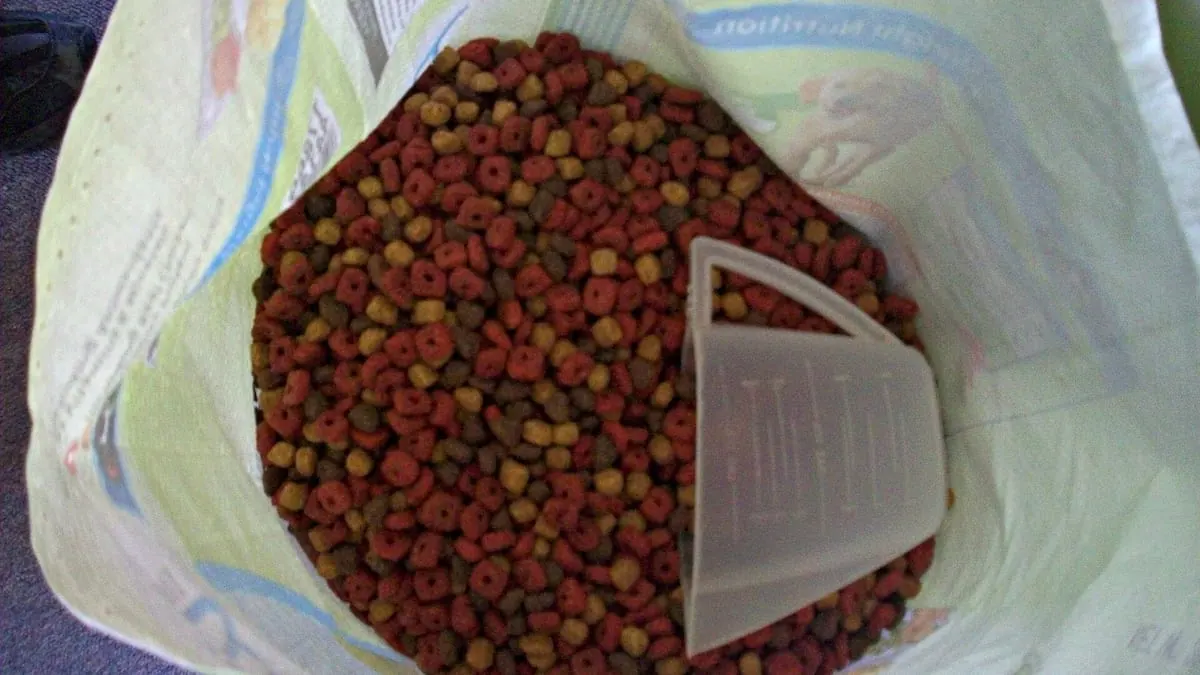
A recall notice naming a brand in your pantry is a heart-stop moment for any pet owner. It helps to know that the machinery behind pet food recalls is older, more structured, and more public than most people assume. Understanding how recalls are triggered, classified, and announced — and how lot codes let you check your own bag — turns panic into a five-minute task you can actually finish.
Who regulates pet food, and how recalls start
In the United States, the FDA regulates pet food through its Center for Veterinary Medicine. Under the Federal Food, Drug, and Cosmetic Act, pet food must be safe to eat, produced under sanitary conditions, free of harmful substances, and truthfully labeled. Notably, there is no pre-market approval for pet food; manufacturers still have safety and labeling obligations, and preventive controls and inspections operate alongside recalls.
Most recalls begin with the company itself. Under FDA policy codified at 21 CFR Part 7, firms may voluntarily recall a product at any time, and the FDA may request a recall when a firm hesitates. Since the Food Safety Modernization Act, the agency also holds mandatory recall authority over foods that pose serious risk when a firm refuses to act.
Problems come to light in familiar ways: company testing, consumer and veterinary complaints, state feed control programs, and FDA sampling. Once a recall begins, the FDA assesses the health hazard and assigns a classification — Class I for situations with a reasonable probability of serious health consequences or death, down to Class III for less dangerous violations. The classification describes the assessed health hazard; read the actual notice for the product scope and instructions.
One FSMA provision works upstream of recalls. The Reportable Food Registry requires facilities that manufacture, process, pack, or hold FDA-regulated food — including pet food — to report any food for which there is a reasonable probability of serious adverse health consequences or death to humans or animals. Those registry reports feed the same public safety machinery that produces recalls.
None of this means the pet food aisle is a minefield. Millions of bags ship safely every year, and many recalls are precautionary, prompted by the possibility of contamination rather than confirmed illness. The scope of a single recall is usually narrow — a handful of lot codes from one plant — which is exactly why checking your specific bag matters more than abandoning a brand outright.
Reading the recall notice, and your bag
Recall scope varies and may be expanded; some notices cover multiple products or all lots. Notices identify exact product names and sizes, UPC codes, specific lot or production codes, and best-by date ranges, because contamination or formulation errors typically affect defined production runs. Your job is a matching exercise: compare those identifiers against the packaging in your home before drawing any conclusions. [1]
What the lot code tells you
The lot code and best-by date are printed on the package itself — stamped into can lids or seams, printed on bag backs or bottoms, sometimes on a sticker. Date codes can look cryptic, but the recall notice translates them. If your bag's dates fall outside the recalled range, check all the other listed identifiers and later updates before concluding the product is outside that recall.
Photograph new packaging when you open it: front label and lot code together. That single habit means that if a recall surfaces months later, you can check against your records even after the bag has gone out with the trash. It is the cheapest insurance available in pet care.
To stay ahead of announcements, bookmark the FDA's Animal and Veterinary recalls page and sign up for its email alerts. The agency lists recalls publicly with product details, and most manufacturers post notices on their own sites. Retailer notifications also reach many buyers automatically, so it is worth keeping purchase emails for products you rely on.
If your bag matches the recall
Stop feeding the product immediately, and do not donate it or finish the bag; recalled food should never move to another pet's bowl. Keep the packaging, since most manufacturers and retailers use lot codes to process refunds. Seal the product away from pets and wildlife while you arrange return or disposal following the notice's instructions.
Hygiene matters, especially with pathogen recalls. Bacteria such as salmonella in pet food can sicken people as well as pets, so wash your hands after handling the product, clean bowls, scoops, and storage bins thoroughly, and disinfect surfaces the food touched. Treat contaminated pet food with the same respect you would raw poultry in your kitchen. [2]
Monitor your pet for the relevant warning signs. Vomiting, diarrhea, lethargy, and appetite loss are common across many recall types, and some hazards — excess vitamin D, mold toxins such as aflatoxin — act slowly over days or weeks rather than hours. Call your veterinarian promptly if anything appears, and mention the recall by name.
Reporting closes the loop. If you believe a pet food made your animal ill, you can submit a report through the FDA's Safety Reporting Portal or contact the FDA consumer complaint coordinator for your state. Individual reports have helped surface historic problems, from aflatoxin in corn-based foods to pathogens in raw diets, so small reports genuinely add up.
Store leftovers wisely, too. Keep kibble in its original bag even when using a storage bin, so the lot code stays attached, and note the date you opened it. If a recall arrives, you will know instantly which container is affected rather than guessing among decanted bins of identical-looking kibble.
Recalls are, paradoxically, a sign the system is partly working: a hazard was found and pulled from circulation. The owner's role is small and specific — keep packaging information, check notices against your lot codes, act quickly when they match, and involve your veterinarian for any symptoms. Preparation, not panic, is the whole job.
Sources and further reading
Editorially reviewed on . Sources support the topics noted below; this is not a veterinary review or individual medical advice.
- FDA: Veterinary recalls and withdrawals — Current notices, affected identifiers and recall updates.
- CDC: About pet food safety — Handling, cleaning and preventing household pathogen exposure.
More in Nutrition
All Nutrition →Cat Hydration: Wet vs. Dry Food and Your Cat's Water Needs
Why cats have a low thirst drive, how wet and dry food differ in water content, and what hydration means for feline urinary and kidney health.
The 10% Treat Rule: Smarter Snacking for Dogs and Cats
Veterinary guidance says treats should stay within ten percent of daily calories. Here is what that means and how to spend the budget wisely.
Toxic Human Foods for Dogs: Chocolate, Xylitol, Grapes, and Onions
Which people foods can poison dogs: chocolate, xylitol, grapes and raisins, onions and garlic, plus what to do immediately if ingestion is suspected.