Cat Hydration: Wet vs. Dry Food and Your Cat's Water Needs
Why cats have a low thirst drive, how wet and dry food differ in water content, and what hydration means for feline urinary and kidney health.
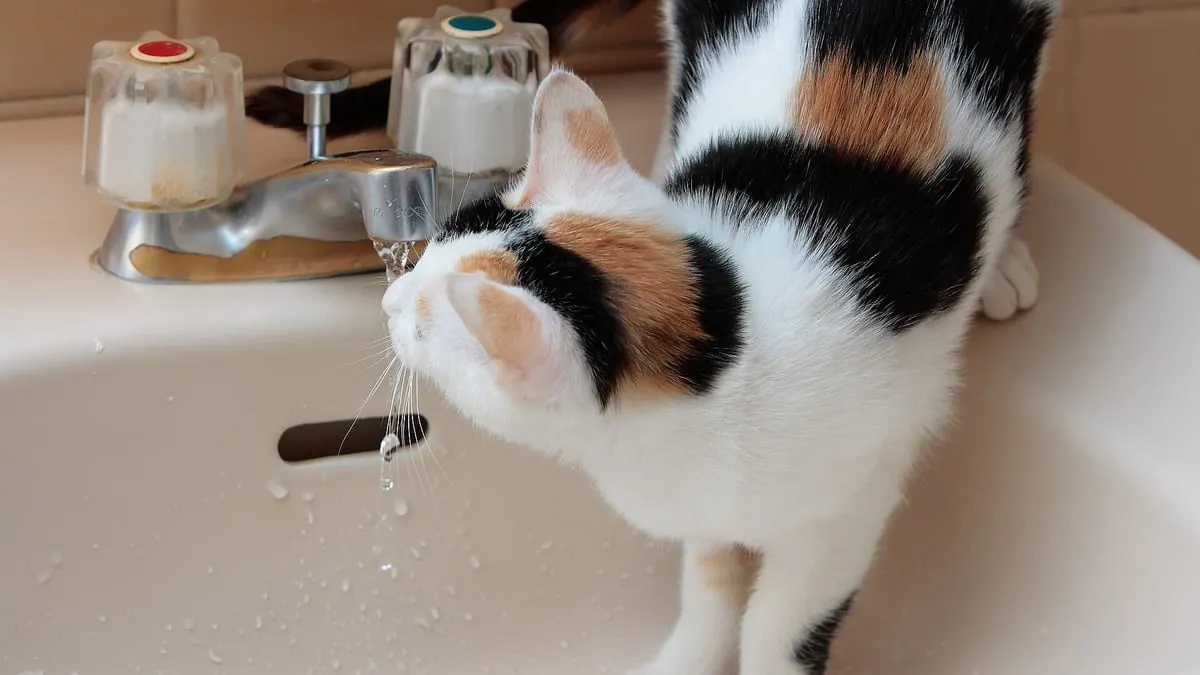
Watch a cat at a water bowl and you may notice something odd: it drinks infrequently, delicately, almost reluctantly. That is not fussiness. It is inheritance. The domestic cat descends from desert-dwelling wild ancestors whose bodies learned to thrive on the moisture inside their prey, and modern cats still carry that biology, thirst drive and all, into today's kitchens.
Cats obtain water from both drinking and food. The relative contributions vary with the diet, the environment and the individual animal. Comparing wet and dry formats is therefore a question about total intake and clinical needs, not simply whether a cat is seen drinking often. A change in thirst or urination deserves attention even when water is always available.
Dry food contains much less moisture than wet food, so a cat eating it needs more drinking water to obtain a comparable total. Wet food can be one way to increase water intake, but eating dry food does not by itself diagnose dehydration. The veterinarian should assess the whole diet, water access and any disease affecting fluid needs rather than assume one format explains the cat's condition.
The moisture gap in numbers
Check the actual moisture content on the product label instead of assuming every can or bag has the same composition. Format is only one consideration: nutritional adequacy, calorie intake, preferences and any prescribed therapeutic diet also matter. A change made to increase food moisture should still provide a suitable, balanced ration and be introduced in a way the cat will accept.
Cats obtain water from both food and drinking. A cat eating dry food needs to obtain more of its water from a bowl or another drinking source, but dry-food feeding alone does not diagnose dehydration. Total intake, urine output, health, environment and the individual cat's drinking behavior all need consideration. [1]
Wet food, by contrast, delivers what feline practitioners sometimes call stealth hydration. Water arrives inside the meal itself, absorbed the way the cat's body evolved to expect, without depending on a thirst response that was calibrated for a world of prey animals and rare desert puddles.
Why this matters: urinary and kidney health
Hydration is not an aesthetic concern for cats; it is organ-level maintenance. Urine that is too concentrated provides ideal conditions for crystals and stones to form, and crystals are a pathway to feline lower urinary tract disease, a cluster of painful and sometimes life-threatening conditions. The Cornell University College of Veterinary Medicine's Feline Health Center notes that cats who do not take in enough fluids may be more likely to develop urinary stones, and it recommends constant access to fresh water along with including wet food in the diet.
For male cats in particular, the stakes can be acute. A urethral blockage, possible when crystals and inflammation combine, can become a life-threatening emergency within hours. Veterinarians commonly identify increased water intake as a first-line measure for cats with any history of urinary trouble, alongside whatever specific medical treatment the case requires.
Cats with kidney disease may lose the ability to concentrate urine and need more fluid support. That does not establish that normally concentrated urine causes kidney disease, or that wet food prevents it. Increased drinking, weight loss or changes in urination warrant veterinary investigation rather than an assumption that adding water will address the cause. [2]
Dehydration has quieter symptoms too, including constipation, a dull coat, and low energy. Cats are notorious for masking illness, so the first visible sign of a hydration problem is often a litter box change, such as smaller or fewer clumps, straining, or accidents outside the box, which always warrants attention rather than watchful waiting.
Practical ways to raise a cat's water intake
One option is to offer a suitable wet food, if the cat accepts it and it fits the veterinary feeding plan. A mixed approach, with canned food at some meals and kibble at others, captures much of the hydration benefit while keeping costs and convenience manageable, and it is the arrangement many veterinarians suggest as a practical middle ground for ordinary households.
For the water bowl itself, presentation matters more than most owners expect. Many cats prefer wide, shallow dishes that do not brush their whiskers, placed away from food and litter. Others drink noticeably more from a circulating fountain, finding moving water more appealing than still water. Fresh, cool water changed daily is the non-negotiable baseline.
Adding water directly to food is another lever: warm water stirred into canned food improves aroma as well as moisture, and a spoonful drizzled over kibble increases intake invisibly, assuming the cat accepts the altered texture, which some will and some emphatically will not. Experimentation, patience, and a bit of diplomacy are the required tools.
One caveat belongs at the end: any noticeable change in drinking, whether a sudden increase or a decrease, can signal medical problems such as kidney disease, diabetes, or thyroid conditions, so it belongs in a veterinary conversation rather than a lifestyle adjustment alone.
Before making significant changes to a cat's diet, particularly for a cat with existing urinary, kidney, or dental issues, consult a veterinarian who can weigh the specifics of age, weight, and health history. For a species that evolved to hide its thirst, the best hydration plan is one designed with professional eyes on the individual animal.
Sources and further reading
Editorially reviewed on . Sources support the topics noted below; this is not a veterinary review or individual medical advice.
- Cornell Feline Health Center: Hydration — Food moisture, total water intake, dehydration and practical water access.
- AAHA/AAFP: Nutrition and weight in mature and senior cats — Individual nutritional assessment; diet format is not a CKD diagnosis or prevention guarantee.
More in Nutrition
All Nutrition →How Pet Food Recalls Work and How to Check Your Bag
From FDA oversight to lot codes on the label, a plain-language guide to pet food recalls and the steps to take if your bag is affected.
The 10% Treat Rule: Smarter Snacking for Dogs and Cats
Veterinary guidance says treats should stay within ten percent of daily calories. Here is what that means and how to spend the budget wisely.
Toxic Human Foods for Dogs: Chocolate, Xylitol, Grapes, and Onions
Which people foods can poison dogs: chocolate, xylitol, grapes and raisins, onions and garlic, plus what to do immediately if ingestion is suspected.