Grain-Free Dog Food and DCM: Where the FDA Investigation Stands
The FDA's grain-free DCM investigation in plain terms: 2019 updates, reports of dilated cardiomyopathy, and why no definitive cause has been established.
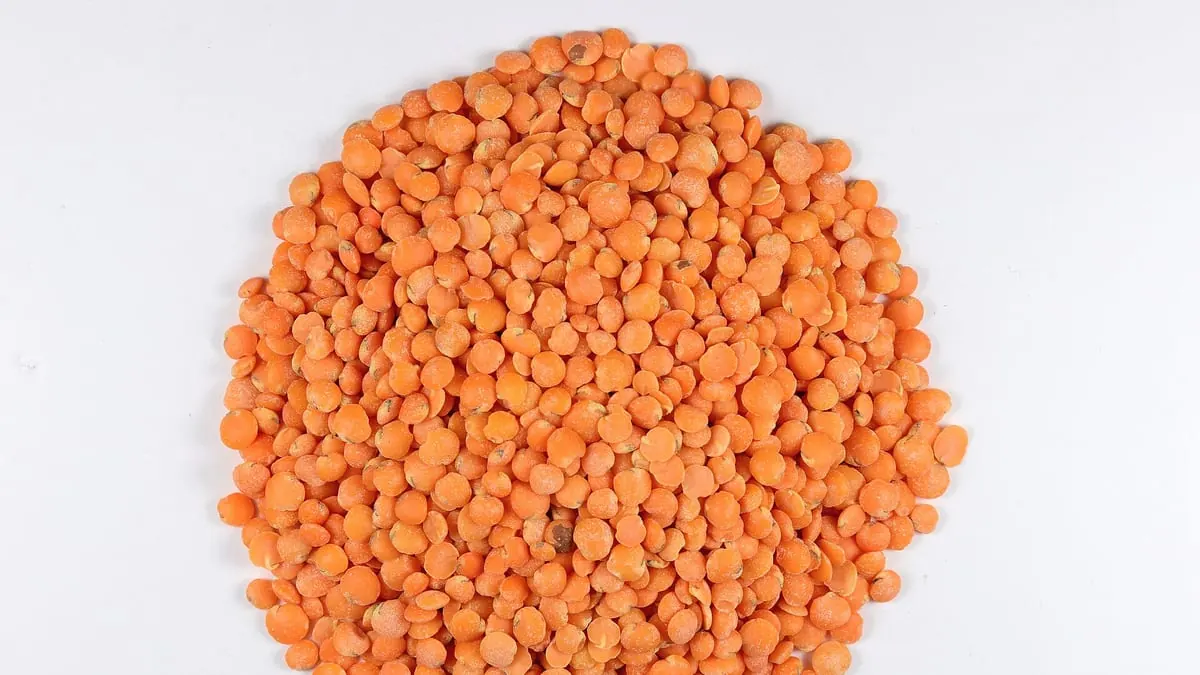
In the summer of 2018, the Food and Drug Administration announced that it was investigating reports of dilated cardiomyopathy, known as DCM, in dogs eating certain pet foods, many of them labeled grain-free. The diets in question shared a signature: high proportions of peas, lentils, other legume seeds, or potatoes among the main ingredients, often displacing the grains in conventional formulas.
What alarmed veterinary cardiologists was not the disease itself. DCM is a recognized, often hereditary condition in giant and large breeds such as Doberman Pinschers, Great Danes, and Irish Wolfhounds. The unsettling part was that dogs from breeds with no known genetic predisposition, Golden Retrievers and mixed breeds among them, were turning up with enlarged, weakened hearts, and many had spent long stretches on boutique, exotic-ingredient, or grain-free diets, a combination the veterinary literature came to abbreviate as BEG.
Dog food shelves shifted almost overnight, and owners began asking their veterinarians whether the food in the pantry was quietly harming their pets. Years later, the honest answer remains more nuanced than either the headlines or the backlash suggested.
What the FDA actually reported
In February 2019, the agency published its first substantial update. Between January 2014 and the end of November 2018, it had received roughly 300 reports of DCM, the overwhelming majority involving dogs. The FDA noted that reports surged after its public announcement, a familiar pattern in disease surveillance: publicity drives reporting, and reports are not the same as verified cases. [1]
The update also sketched the dietary picture. Among dogs reported to have eaten only one primary diet, about nine in ten were eating foods labeled grain-free, with legume-heavy ingredient lists dominating. The agency emphasized, repeatedly, that these were voluntary case reports rather than controlled research, and that no denominator existed, meaning no one knew how many dogs were eating these diets without incident.
By mid-2019, the FDA had named the sixteen brands most frequently mentioned in reports, a step that drew intense criticism from the industry and some nutritionists, who argued that frequency of reporting is not evidence of causation. The patterns inside the reports were inconsistent, too: some affected dogs were deficient in taurine, an amino acid linked to heart function, while others had normal levels, and some improved after a diet change while others did not.
Throughout, the FDA's language was deliberately cautious. The agency described diet-associated DCM as a complex scientific issue that may involve multiple factors, pointing to genetics, underlying disease, and formulation as possible contributors, and it never established that any specific ingredient or diet causes the disease. That phrasing, easy to miss amid the noise, is the backbone of the investigation.
Where the investigation stands now
It helps to be precise about what "grain-free" even means. In most such formulas, grains like wheat, corn, or rice are replaced with legumes such as peas, lentils, or chickpeas, or with potatoes. The FDA's investigation centered on that substitution rather than on the absence of grain itself, which is why "grain-free" and "dangerous" are not interchangeable, and why some grain-inclusive diets with heavy legume content appeared in the reports too.
In its December 2022 communication, FDA said it did not intend to issue further public updates unless there was meaningful new scientific information. That is a statement about public reporting, not proof that the investigation exonerated every formulation or established a single cause. The linked FDA pages should be read with their dates and limitations in mind. [2]
Researchers have continued working the problem from several angles, including taurine metabolism, legume processing, and breed differences, and peer-reviewed studies have alternately strengthened and complicated the original hypothesis. A definitive mechanism has not emerged. For now, "no definitive cause established" is not a bureaucratic shrug; it is the accurate state of the science.
Some things did change. Some manufacturers reformulated, adding grains back or reducing legume content. Veterinary cardiologists learned to take a careful diet history in every DCM case. And the episode left a lasting lesson about boutique marketing: novelty ingredients are not automatically healthier, and the word "ancestral" is not a nutritional analysis.
What this means for your dog
If your dog is thriving on a grain-free diet, the current evidence does not demand a panicked overnight switch. What it does suggest is informed vigilance and professional input. Grain-free is largely a marketing category rather than a medical one; dogs with genuine grain allergies are uncommon, and most dogs do beautifully on diets that include well-cooked grains.
Watch for the warning signs of heart trouble: decreased energy, coughing, labored or rapid breathing, fainting or collapse, and reduced tolerance for exercise. These are not subtle symptoms, but dogs hide early disease well, so a dog that seems merely "slower" may warrant an echocardiogram, especially in a breed already prone to DCM.
If you are choosing a new food anyway, many veterinarians recommend a formula from a company with strong quality control and genuine nutrition expertise, and checking that the food carries a complete nutritional adequacy statement for your dog's life stage. The diet question is ultimately individual: a young adult dog, a growing puppy, and a senior with kidney disease have different needs, and a "grain-free" label is tailored to none of them.
Finally, bring your veterinarian into the conversation before changing anything drastic, particularly with a heart condition or diagnosed dietary sensitivity. A board-certified veterinary nutritionist can weigh the trade-offs for your specific animal. And if your dog is ever diagnosed with DCM, reporting the case to the FDA helps the agency, and the science, see the full picture.
The grain-free story is, so far, less a tale of villainy than of uncertainty handled in public. The FDA's investigation made pet owners read ingredient lists more closely, and that is no bad thing. But the bottom line remains what it has been since 2018: a single dietary cause has not been established, and voluntary reports cannot supply an incidence rate, and the professional best placed to interpret both for your dog is your veterinarian.
Sources and further reading
Editorially reviewed on . Sources support the topics noted below; this is not a veterinary review or individual medical advice.
- FDA: Investigation of diet-associated canine DCM — Historical updates and reported dietary patterns.
- FDA: Questions and answers on non-hereditary DCM — Case-report limitations, uncertainty and FDA update policy.
More in Nutrition
All Nutrition →How Pet Food Recalls Work and How to Check Your Bag
From FDA oversight to lot codes on the label, a plain-language guide to pet food recalls and the steps to take if your bag is affected.
Cat Hydration: Wet vs. Dry Food and Your Cat's Water Needs
Why cats have a low thirst drive, how wet and dry food differ in water content, and what hydration means for feline urinary and kidney health.

The 10% Treat Rule: Smarter Snacking for Dogs and Cats
Veterinary guidance says treats should stay within ten percent of daily calories. Here is what that means and how to spend the budget wisely.