French Bulldog Breed Profile: Size, Temperament and Health Risks
French Bulldog facts from the AKC: height, weight, temperament, brachycephalic health notes including BOAS, and who the breed suits.
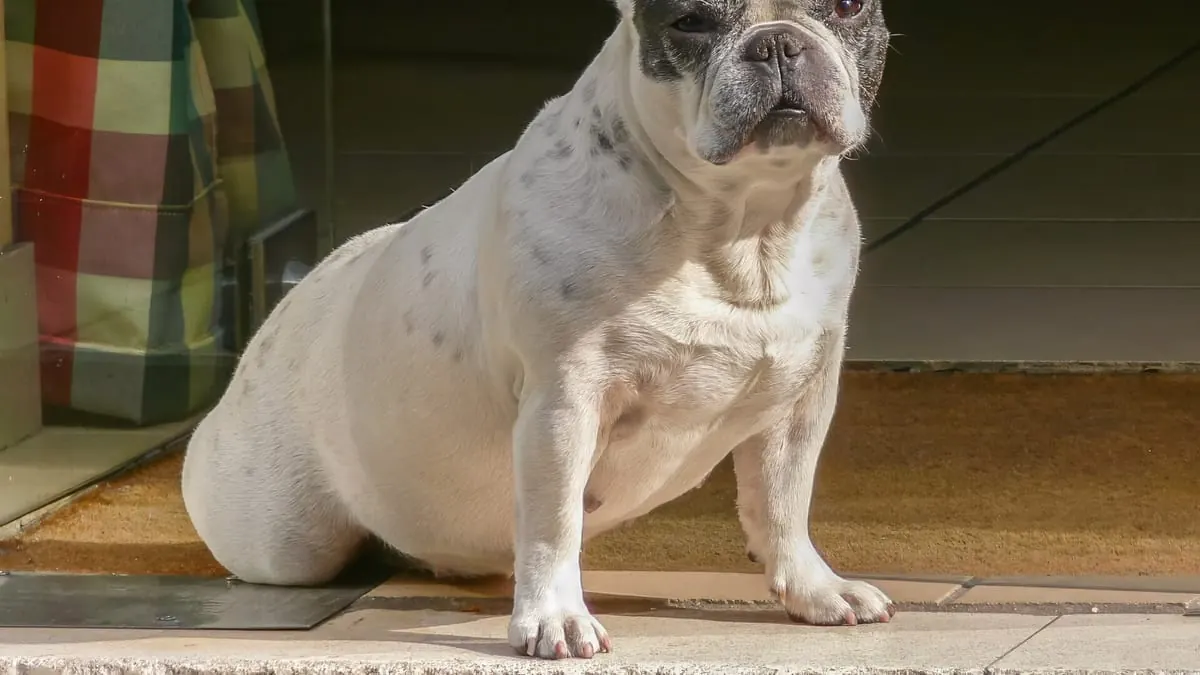
The French Bulldog has become one of the most recognizable dogs on the planet: compact, bat-eared, and dressed in a permanently bemused expression. According to the American Kennel Club, the Frenchie has topped the organization's annual registration rankings in recent years — a striking ascent for a breed that began as a miniature working dog among English lace makers.
Popularity, however, brings responsibilities. The same flat face many people find adorable underlies the breed's most serious health concerns, and veterinary sources urge prospective owners to understand its breathing limitations before buying. This profile looks at the breed's history, physique, personality, care needs, and health realities so families can judge whether this charming companion fits their life.
From English lace works to Parisian cafés
Despite the name, the French Bulldog's roots are English. In the nineteenth century, toy-sized Bulldogs were popular among lace workers in Nottingham, and when industrialization pushed many craftsmen to France, the small dogs went with them. In Paris they crossed with other small breeds, found favor among café patrons and artists, and acquired the identity of a distinctly French city dog. [1]
The breed's trademark bat ears were settled by argument as much as accident. In the breed's early show days, American fanciers insisted that the upright, wide-set ears — rather than the rose-shaped ears favored in Britain — define the breed, and the bat ear became the signature it remains. The AKC places the French Bulldog in the non-sporting group and describes its ideal temperament as playful, smart, and adaptable.
Today the Frenchie is a fixture of city life from Paris to Peoria, as the AKC puts it, prized by singles, couples, and families who want a compact companion with a big personality and modest space requirements.
Built low, broad and bat-eared
According to AKC breed information, the French Bulldog stands about 11 to 13 inches at the shoulder; the American standard sets a maximum weight of 28 pounds, with a compact, muscular body on a broad, square frame. The head is large and square, with heavy wrinkles above an extremely short nose, and the smooth coat lies close and brilliant.
Registered colors include brindle, cream, fawn, and white, though non-standard colors circulate widely in the pet market. The breed standard favors the traditional colors, and unusual coat colors can arrive wrapped in marketing hype and, in some cases, extra health questions — a topic worth raising with a veterinarian.
The breed's most distinctive features are functional liabilities as well as charms. The very short muzzle, large open eyes, and tight skin folds that give the Frenchie its look are also the anatomical basis of the health issues below. Form and health are inseparable here, and owners who understand that from the start make better decisions.
Temperament: a companion above all
French Bulldogs are companion animals to the core. They typically bond closely with their people, get along with other pets, and adapt well to apartment living, needing little beyond daily walks and human company. The AKC notes that dogs of few words, Frenchies do not bark much, but their alertness makes them competent little watchdogs.
The breed's clownish streak is genuine: Frenchies are playful and amusing well into adulthood, and their expressive faces seem to invite conversation. They are also sensitive to tone and respond best to gentle, reward-based training. Short, positive sessions work well, because the breed can be independent-minded when bored.
Two temperament realities deserve emphasis. First, Frenchies dislike being left alone for long hours and can develop separation distress; they suit households where someone is usually home. Second, the breed is intolerant of heat and strenuous exercise, so the fun must be paced.
Everyday care and the brachycephalic reality
Short walks and play should be paced around the dog's breathing and the weather, rather than a fixed exercise quota. Cambridge's BOAS guidance emphasizes healthy body condition, avoiding overheating and using a harness where neck pressure worsens breathing. Snoring, exercise intolerance or struggling to breathe should be assessed; they should not be accepted simply as the normal sound of the breed. [3]
Grooming is light: a weekly brush, regular cleaning of the facial wrinkles to prevent skin-fold infections, nail trims, and ear checks. The coat sheds moderately. Because the breed's top-heavy build makes Frenchies generally poor swimmers, they should be supervised around pools and open water.
The central health issue is brachycephalic obstructive airway syndrome, or BOAS. As VCA veterinary hospitals explain, the syndrome bundles several upper-airway abnormalities found in flat-faced breeds: narrowed nostrils called stenotic nares, an elongated soft palate that partly blocks the throat, everted laryngeal saccules, and sometimes a windpipe narrower than normal. [2]
The signs are familiar to many owners, and they are worth listing carefully:
- Loud breathing and heavy snoring, even at rest
- Snorting or gagging when excited or after eating
- Tiring quickly on short walks, especially in warm weather
- Reluctance to exercise the dog once enjoyed
VCA sources note that affected dogs struggle to cool themselves by panting, which makes overheating a genuine emergency risk, and that signs are often worse in hot or humid weather. Most dogs are diagnosed between one and four years of age. Mild cases may be managed with weight control and lifestyle care, while surgery can help moderate to severe cases. Persistent noisy breathing at rest warrants veterinary assessment. Collapse, blue or pale gums, or difficulty breathing requires urgent veterinary care.
Veterinary sources also associate the breed with spinal problems, skin-fold and ear infections, and eye injuries due to the exposed, prominent eyes, and they note that anesthesia in flat-faced breeds requires special care. None of this means every Frenchie is ill — but owners should budget for veterinary care and choose breeders who prioritize airway health.
The ideal Frenchie household is home often, lives in a temperate or air-conditioned climate, wants a close companion rather than a jogging partner, and accepts significant veterinary needs. The breed rewards that understanding with years of funny, affectionate companionship; it punishes carelessness with emergencies. For apartment dwellers and devoted owners, few dogs offer so much character in so small a frame.
Sources and further reading
Editorially reviewed on . Sources support the topics noted below; this is not a veterinary review or individual medical advice.
- American Kennel Club: French Bulldog — Breed history and companion characteristics.
- University of Cambridge: About BOAS — Anatomical basis and spectrum of brachycephalic airway disease.
- University of Cambridge: BOAS management and treatment — Weight, exercise, heat and management considerations.
More in Breeds
All Breeds →Ragdoll Cat Breed Profile: Size, Blue Eyes and Temperament
Ragdoll cat facts: size, blue eyes, colorpoint coat, laid-back temperament, grooming and health notes, and who this gentle breed suits.
Mixed-Breed Dogs: What Shelters and Genetics Tell Us
An evidence-based look at mixed-breed dogs: longevity and genetic studies, hybrid vigor, size unpredictability, and the shelter adoption picture.

Maine Coon Cat Breed Profile: Size, Coat and Temperament
An editorial Maine Coon cat profile covering size, shaggy coat, gentle temperament, origin lore, grooming and health notes, and who this breed suits.