Chronic Kidney Disease in Cats: IRIS Stages and Early Screening
Chronic kidney disease is common in senior cats. How IRIS staging guides veterinary care, and why early screening with bloodwork and urinalysis matters.
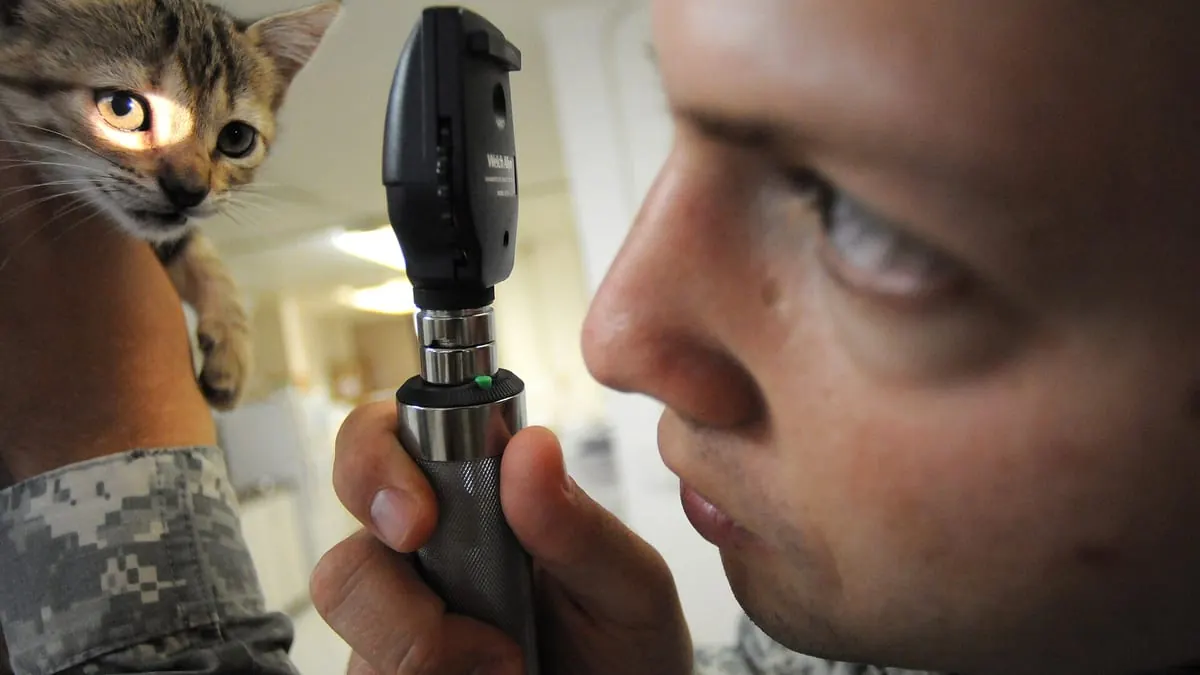
Kidneys rarely announce their decline. They filter waste, balance water and minerals, and tend to signal problems only when much of their capacity is already gone — which is why chronic kidney disease has earned its reputation as one of the quietest threats in feline medicine. Veterinary reviewers consistently describe CKD as among the most common conditions diagnosed in aging cats, and estimates of its prevalence vary widely with the diagnostic criteria used.
The word "chronic" matters. Unlike acute kidney injury, which arrives suddenly and may be reversible, CKD is a prolonged, progressive loss of functional kidney tissue. Damaged nephrons do not grow back; the aim of medicine is to slow what remains from wearing out.
CKD becomes an important concern as cats age, but a percentage from a selected study population cannot predict the diagnosis in a particular cat. Regular assessment can identify changes that are not obvious at home. Weight trends, appetite, drinking, urination and laboratory results should be considered together, and an apparently well cat can still need follow-up of an abnormal finding.
Why the disease hides so well
Kidneys come with a generous safety margin. For years a cat can lose nephrons without any measurable change in the blood values veterinarians rely on. Traditional markers such as creatinine may not climb until a large fraction of filtering capacity is already lost, which is precisely the problem with relying on them alone for early detection.
The first outward signs are easy to misread as ordinary aging: drinking a little more, filling the litter box a little more often, trimming a few grams from the scale between visits. Appetite may soften and energy may dip. The most commonly reported early indicators include:
- Increased thirst and urination
- Gradual weight loss
- Reduced or picky appetite
- Lower energy and more sleeping
- Unkempt coat
Later, the picture sharpens. Cats may lose weight visibly, develop bad breath, vomit, or show signs of dehydration as the kidneys lose their ability to concentrate urine. Veterinary review papers list inappetence, increased urination and drinking, weight loss, lethargy, halitosis, and vomiting among the most common clinical signs of feline CKD.
How IRIS staging works
The International Renal Interest Society, known as IRIS, provides the framework most veterinarians use to make sense of the disease. Staging is undertaken after a diagnosis of CKD, based on fasting blood creatinine — and, in the current guidelines, the complementary marker SDMA — assessed on at least two occasions in a stable, well-hydrated patient.
Four stages describe the spectrum. Stage 1 covers cats whose blood values still look normal but whose kidneys show other abnormalities, such as persistently poorly concentrated urine or protein loss. Stage 2 reflects mild azotemia, where waste products have just begun to rise and clinical signs are usually mild or absent. Stage 3 marks moderate disease, often with visible symptoms, and stage 4 describes severe illness carrying a real risk of uremic crisis.
Staging is only half the framework. IRIS further substages every patient on two axes: proteinuria, measured by the urine protein-to-creatinine ratio, and blood pressure. Hypertension is common in cats with CKD and can damage the eyes, brain, heart, and kidneys, so blood pressure measurement is a standard part of the workup.
SDMA has changed the early-detection conversation. The IRIS guidelines note that it can rise earlier in the course of disease than creatinine and is less influenced by the muscle wasting that affects many older cats. When creatinine and SDMA point to different stages, the veterinarian should investigate the discrepancy and apply the current IRIS criteria, including repeat measurements where appropriate.
What screening looks like
Because CKD is so common in later life, veterinary consensus favors building screening into routine senior care. A typical baseline includes a complete blood count, a chemistry panel, a urinalysis — with particular attention to urine specific gravity — and a blood pressure check. For senior and geriatric cats, many veterinarians suggest repeating these at least annually, and sometimes more often.
CKD can be diagnosed before azotemia develops. Persistent renal protein loss, structural abnormalities, impaired urine concentration or other evidence may support an early diagnosis after non-renal explanations are excluded. Azotemia together with inappropriately dilute urine is one presentation, not a requirement for every case. Diagnosis and IRIS staging are separate steps, and serial findings must be interpreted in context. [1]
Living with a CKD diagnosis
There is no cure, and management is where veterinary medicine earns its keep. The goal is to slow progression, control complications, and preserve quality of life for as long as possible. IRIS staging directly shapes how intensively a cat is monitored and which interventions make sense at each step.
The toolbox is broad. Dietary modifications, particularly controlled phosphorus, are frequently discussed early on; phosphate binders, potassium supplementation, anti-nausea medication, appetite support, and supplemental fluids may all enter the conversation as disease advances. Blood pressure and urinary protein loss are managed in their own right. Your veterinarian can help determine which combination fits your cat's stage and temperament — a cat who tolerates pills is not the same patient as one who does not. [2]
Monitoring is a rhythm rather than an event. IRIS guidance suggests stage-dependent recheck intervals, and trends over time matter more than any single value. A rising creatinine, a climbing protein ratio, or creeping blood pressure readings each carry different implications, and together they let your veterinarian adjust course deliberately.
None of this means a diagnosis is a countdown. With early detection and steady management, many cats live comfortably with CKD for extended periods. The most valuable step an owner of an aging cat can take is also the simplest: keep the screening appointments, and bring every observation about drinking, appetite, and weight to the exam room.
Sources and further reading
Editorially reviewed on . Sources support the topics noted below; this is not a veterinary review or individual medical advice.
- IRIS: CKD diagnosis and staging system — Non-azotemic disease, stable-patient requirements and staging.
- Cornell Feline Health Center: Chronic kidney disease — Clinical management, monitoring and individualized care.
More in Pet Health
All Pet Health →Spay and Neuter Timing: What Current Research Says for Dogs
Spay and neuter timing now depends on breed, sex, and size. What UC Davis research and AAHA guidance suggest for large and small dogs.
Puppy Vaccine Schedule Explained: Core Shots and Timing
AAHA puppy vaccination guidance: the core series, leptospirosis under the 2024 update, risk-based vaccines, and planning doses with a veterinarian.

Kennel Cough in Dogs: Causes, Signs, and Prevention
Kennel cough is a complex, not a single bug. What causes CIRDC, which signs matter, and how vaccines and daily habits reduce the risk.