Cat Litter Box Problems: Causes and Humane Fixes That Work
A vet-first guide to litter box problems: box count, cleanliness, placement, and telling medical causes from behavioral ones.
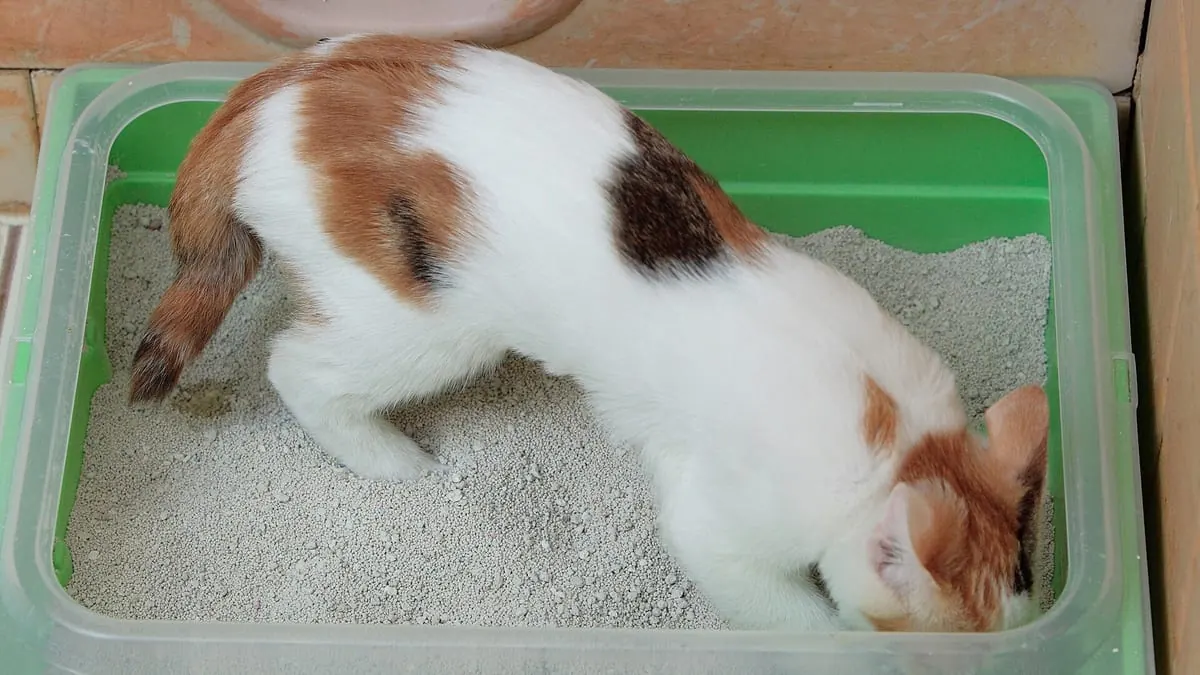
A cat who suddenly stops using the litter box can make an owner feel betrayed, embarrassed, and exhausted, often in the same afternoon. Beds, laundry piles, and bathroom rugs become accident sites, and the house begins to smell like a problem that will not go away. Yet house-soiling remains one of the most common behavioral reasons cats are surrendered to shelters, which is a tragedy, because the majority of cases are solvable. Cats do not abandon the box out of spite. They abandon it because something about it, or about how they feel, is wrong.
Feline behaviorists sort the causes into three broad buckets: medical problems, setup failures, and stress. The order of investigation matters, and it begins in one place only.
Always start at the veterinarian
Painful conditions are a leading driver of litter box avoidance, and they must be excluded before any behavioral theory is entertained. Urinary tract infections, bladder stones, and inflamed bladder syndrome can make urination burn with urgency, and cats quickly learn to associate the box itself with pain. Kidney disease, diabetes, and thyroid problems alter how much a cat needs to go, while arthritis and constipation make climbing into a high-sided box or holding a posture genuinely uncomfortable. The Cornell Feline Health Center, among the most respected voices in feline medicine, advises that any sudden change in elimination habits warrants a veterinary visit.
Certain presentations are urgent rather than merely inconvenient. A cat, especially a male, who strains repeatedly in the box without producing urine may have a blockage, which is a life-threatening emergency. Blood in the urine, frequent small voids, crying in the box, or eliminating right beside it all point the vet toward specific diagnoses. A veterinary assessment may include examination, urinalysis, bloodwork or imaging, depending on the signs, and treating an underlying condition often restores box use on its own.
The one-per-cat-plus-one rule
Once health is cleared, the setup itself comes under review, and the first question is arithmetic. The widely recommended rule is one litter box per cat, plus one extra: two cats means three boxes, and a single-cat household does best with two. Many cats prefer to urinate in one box and defecate in another, and the spare gives every cat a clean option even when the household is busy. [1]
Count alone is not enough. Boxes must be scattered in different locations, because two boxes side by side read to a cat as one territory. Multi-story homes need at least one box on every floor the cat uses, since expecting a kitten or a stiff-jointed senior to sprint downstairs mid-bladder is a setup for failure.
Cleanliness, texture, and box style
Cats are fastidious, and their tolerance for a soiled box is often far lower than their owners'. Scoop at least once daily, and twice daily for a cat already avoiding the box. Wash boxes with mild, unscented soap rather than harsh chemicals, and retire old plastic boxes periodically, because scratched plastic absorbs odor no scrubbing can fully remove.
Litter texture is a genuine preference, not a luxury. Most cats favor fine, unscented, clumping litter, with a depth of roughly two to three inches for digging, and strong perfumes added to mask odor for human noses frequently backfire on feline ones. Whatever the current preference, change brands or textures gradually, mixing old into new over a week, because abrupt switches are a classic trigger for protest.
Box style matters as well. Large, open, uncovered boxes suit most cats, giving them room to turn and a clear view of their surroundings, and feline welfare guidance generally suggests a box at least one and a half times the cat's length. Hooded boxes trap smells that humans barely notice and cats find repugnant, while low-entry sides are kinder to arthritic seniors who still deserve easy access.
Location, location, location
Placement is the quiet variable behind many avoidance cases. Ideal spots are quiet, low-traffic, and offer the cat a view of approaching people or pets, because elimination is a vulnerable moment and no cat wants to be ambushed in a dead-end hallway. Keep boxes away from food and water bowls, away from thunderous appliances like washing machines, and out of reach of a dog who considers litter snacks a hobby.
Reading medical versus behavioral clues
The pattern of the accidents carries information. Full puddles or stools on horizontal surfaces usually signal avoidance or a medical issue, while small sprays on vertical surfaces are urine marking, a communication behavior most common in unneutered males and in stressed cats. Both deserve veterinary input, but the fixes differ, so note what is deposited, where, and how often.
Stress is a genuine cause, not an excuse. A new pet, a baby, a houseguest, a move, or simmering conflict with another cat, even conflict that never becomes a fight, can push a cat to seek safer or more strongly scented elimination spots.
Reducing the pressure, adding resources, and giving each cat a predictable territory often quiets the problem as effectively as any litter change.
Meanwhile, clean accidents properly with an enzymatic cleaner designed for pet urine, because ordinary products leave traces that call the cat back to the scene. And never punish. Scrubbing a cat's nose or scolding teaches it only that humans are unpredictable, which leads to hidden accidents in harder-to-find places.
For stubborn cases, a temporary box placed at the accident site, then shifted gradually toward the proper spot, can rebuild the habit gently. With a vet exam first, honest arithmetic on box count, and daily scooping, improvement can be tracked while the cause and setup are addressed; persistent problems need reassessment, and the bond between cat and owner survives the detective work intact.
Sources and further reading
Editorially reviewed on . Sources support the topics noted below; this is not a veterinary review or individual medical advice.
- Cornell Feline Health Center: House soiling — Medical causes, box number, location, cleanliness and distinguishing marking from elimination.
More in Training & Behavior
All Training & Behavior →Clicker Training Fundamentals: Markers, Shaping, First Steps
A practical introduction to clicker training: how marker signals work, what shaping really means, and how to run your first short sessions.
Why Cats Scratch and How to Redirect the Behavior
Why cats need to scratch, how to choose and place appealing scratchers, and why behavior support and non-surgical alternatives matter.
Separation Anxiety in Dogs: Signs, Desensitization, and Real Help
How to recognize true separation anxiety in dogs, use gradual desensitization, and know when a veterinary behaviorist should step in.