Clicker Training Fundamentals: Markers, Shaping, First Steps
A practical introduction to clicker training: how marker signals work, what shaping really means, and how to run your first short sessions.
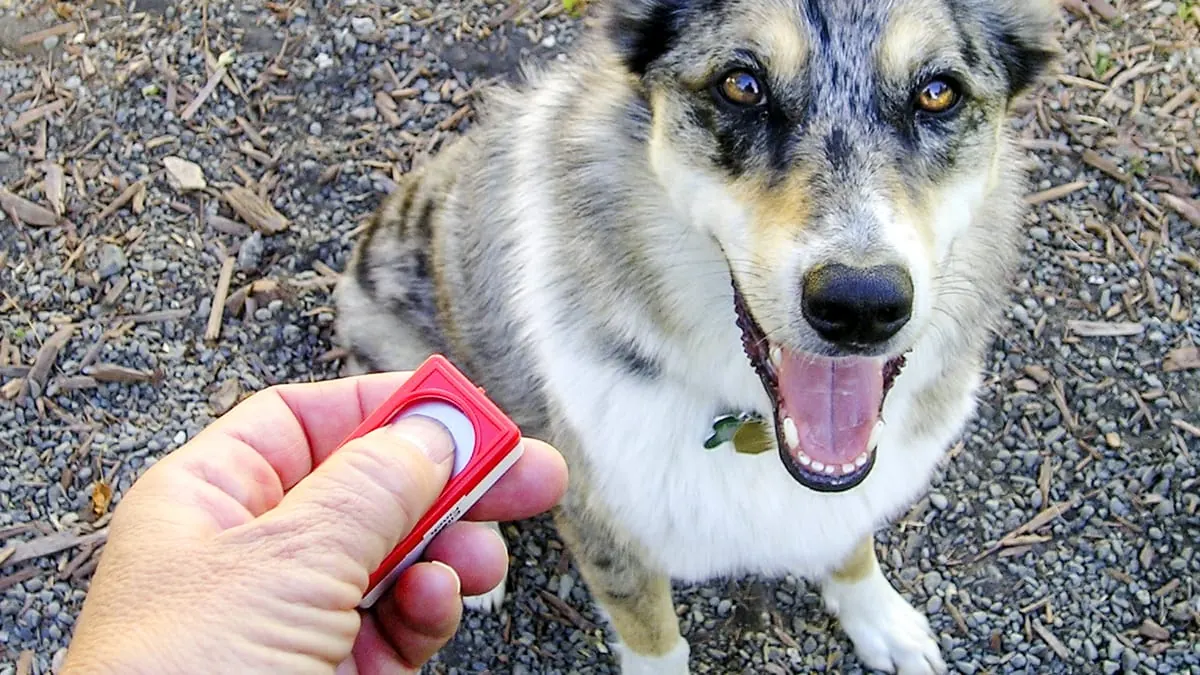
A small plastic box costs a couple of dollars and, in the hands of a patient person, can change how a dog learns. Clicker training looks deceptively simple—click, treat, repeat—but the method sits on a serious foundation of behavioral science, and a handful of fundamentals determine whether it clicks for you and your dog or fizzles in a drawer.
How a Marker Signal Works
A clicker produces a short, sharp, identical sound, and its job is to serve as a marker signal—also called a conditioned reinforcer or bridge. The click is paired with food until the sound itself becomes meaningful: it tells the dog, with the precision of a photograph, that the behavior happening at that exact moment has earned a reward. The food follows, but the click is what identifies the winning action.
Why not simply say "good dog"? You can—verbal markers are perfectly legitimate, and many trainers use a word like "yes" in daily life. But the click holds two practical advantages. It sounds exactly the same every time, stripped of the emotional static that creeps into human voices, and its novelty and brevity cut through the noise of a busy household.
The clicker is a timing aid rather than a special command. A consistent verbal marker can also identify the behavior being rewarded; the useful choice is a signal the animal notices without fear and the handler can deliver reliably. Neither signal should be used merely to attract attention.
Timing is the entire craft. The click should land during the behavior, at its peak—the instant the rear touches the floor in a sit—not after the dog has moved on to something else. Click once, then deliver the treat; if you want to express extra enthusiasm, increase the treats rather than the number of clicks. Because the click ends the behavior, trainers treat it as the full stop at the end of a sentence. A sloppy click teaches a sloppy lesson.
Charging the Clicker
Before the clicker can teach anything, the dog must learn what it means, and individual dogs need different amounts of practice. Trainers call it charging the clicker: click, then feed a tiny treat; click, then feed again, ten to fifteen times in a row, with the dog in an ordinary, relaxed setting. There is nothing to ask for yet. You are simply building the association that the click predicts food, the same way a dinner bell predicts dinner. Keep the treats tiny and genuinely worth working for.
You will know the association has formed when the click makes your dog's head snap toward you in anticipation. From that point on, the clicker is a working tool—and it comes with one inviolable rule: every click gets paid. An accidental click is a training error, not a broken contract, so feed the treat and put the clicker in your pocket rather than clicking idly around the house. [1]
Your First Sessions
With the marker charged, early sessions should be deliberately easy. The goal is a high rate of success, not difficulty:
- Choose a behavior the dog offers naturally, such as a sit or a glance toward your hand
- Click at the instant it happens, then treat
- Keep sessions short—two to five minutes, repeated across the day
- End each session while the dog is still eager for more
- Work without a leash indoors, letting the dog move freely and choose
- Raise the bar gradually, waiting slightly longer between clicks as the behavior strengthens
Once a behavior happens reliably, add a cue—a word or hand signal—spoken just before the behavior is offered. This is the moment many beginners get backward: the cue comes after the behavior exists, not before.
Click and reward responses to the cue, and decide which responses need a cue and continue rewarding spontaneous behavior, such as relaxed settling, when useful, until the dog learns that the cue is the door through which rewards arrive.
Shaping: Building Behavior in Small Steps
The most powerful clicker technique is shaping—reinforcing successive approximations toward a goal rather than waiting for the finished behavior. To shape a spin, you might click for a head turn, then a half turn, then three-quarters of the way around, clicking each improvement as it appears. The dog is not guided or forced; she experiments, and her own successful guesses become the building blocks of the finished skill.
Shaping teaches more than tricks. It builds dogs who offer behavior and think through problems rather than shutting down while waiting for orders, which is why reward-based trainers favor it for everything from polite greetings to confidence-building with anxious or previously punished dogs. The rules of good shaping are the rules of good marking: click small improvements, change criteria slowly enough that the dog keeps winning, and drop back a step if the dog looks confused rather than pushing harder. [2]
The technique works across species, too—it is how zoos and aquariums train animals that cannot be guided by hand.
Two final habits protect the method. Never mix scolding or corrections into clicker sessions—the marker works because it is unambiguous good news, and discipline dilutes it. And if progress stalls, suspect your own timing before your dog's intelligence; most clicking problems are handler problems.
Run short, happy sessions, pay every click, and the little plastic box will do the rest. Consistency, not intensity, is what builds fluent skills.
Sources and further reading
Editorially reviewed on . Sources support the topics noted below; this is not a veterinary review or individual medical advice.
- AKC: Mark and reward with a clicker — Conditioning a marker, precise timing and rewarding each click.
- AVSAB: 2021 Humane Dog Training Position Statement — Reward-based training and avoiding aversive corrections.
More in Training & Behavior
All Training & Behavior →Cat Litter Box Problems: Causes and Humane Fixes That Work
A vet-first guide to litter box problems: box count, cleanliness, placement, and telling medical causes from behavioral ones.
Why Cats Scratch and How to Redirect the Behavior
Why cats need to scratch, how to choose and place appealing scratchers, and why behavior support and non-surgical alternatives matter.
Separation Anxiety in Dogs: Signs, Desensitization, and Real Help
How to recognize true separation anxiety in dogs, use gradual desensitization, and know when a veterinary behaviorist should step in.