Spay and Neuter Timing: What Current Research Says for Dogs
Spay and neuter timing now depends on breed, sex, and size. What UC Davis research and AAHA guidance suggest for large and small dogs.
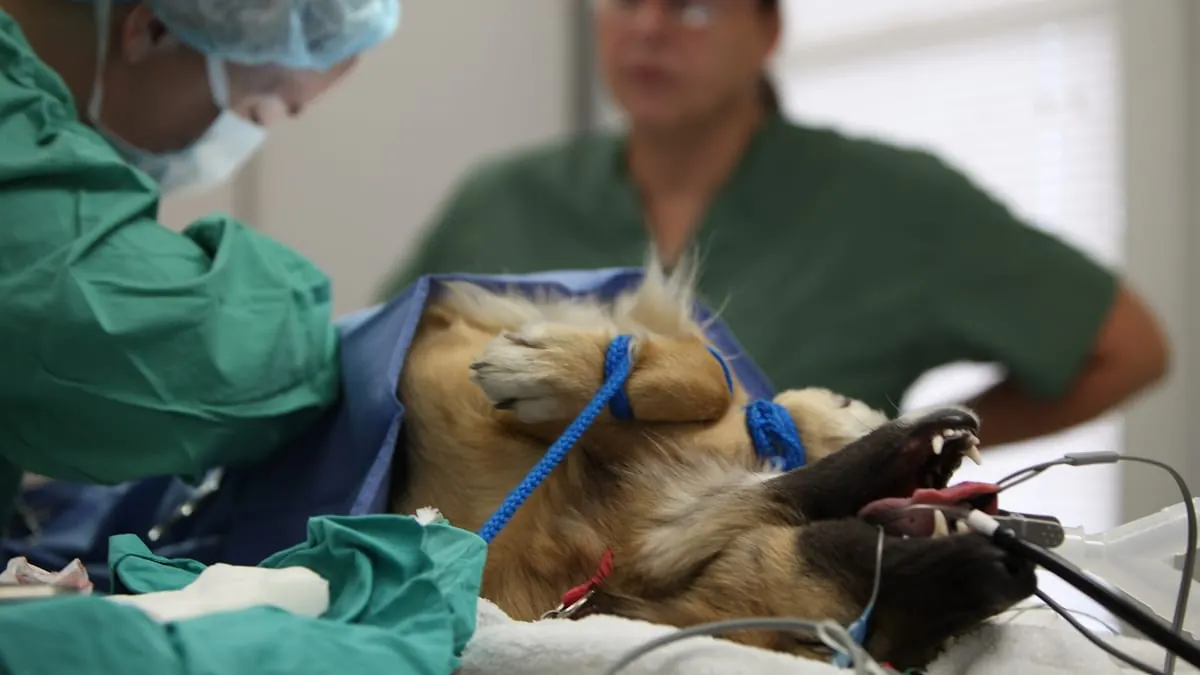
For decades the answer was automatic: spay or neuter at six months, and do not think twice. The recommendation served an important goal — reducing unwanted litters — and it still guides shelter practice today. But for owners of privately kept dogs, a body of research accumulated over the past decade has complicated the picture, showing that the best age for the surgery depends heavily on the dog's breed, sex, and projected adult size.
The biological thread running through the research is the role of sex hormones in skeletal development. Estrogen and testosterone govern when growth plates close. Remove the ovaries or testicles before growth is complete and the plates stay open longer, producing longer bones and altered angles through the joints — a shift associated in several studies with higher rates of orthopedic injury.
What the studies found
Attention turned sharply with a 2013 University of California, Davis study of golden retrievers, summarized by AAHA as showing that early sterilization, while preventing some problems, appeared to increase the risk of others — among them cranial cruciate ligament rupture, hip dysplasia, and several cancers including hemangiosarcoma and lymphosarcoma.
The UC Davis research program expanded from golden retrievers to multiple breeds, including a 2020 analysis of 35 breeds. Some breed-and-sex groups showed higher occurrence of selected joint disorders when neutered earlier. The findings varied substantially: they do not establish one risk multiplier for every large dog or one age that is best for every animal.
Body size is useful context, but it does not replace breed- and sex-specific findings. A related mixed-breed analysis compared weight categories rather than assuming that all mixed dogs are the same. A result that was not statistically significant is not proof that surgery has no effect; it may also reflect the outcomes measured, the number of animals and the way the records were selected.
Cancer findings were more tangled. Risk did not move in one direction: some cancers became more frequent in early-neutered dogs, others less, and the mix shifted by breed and sex. In female golden retrievers specifically, the researchers reported elevated rates of one or more tracked cancers at every spaying age they examined — a finding that pushed the breed to the center of the timing debate.
The studies come with caveats worth knowing. They were retrospective, drew on a single referral hospital population, and cannot prove that neutering caused every observed difference. Still, the consistency of the size-related pattern across breeds has been persuasive enough to reshape formal guidance. [1]
Benefits and harms must be weighed together. Removing the testes prevents testicular tumors, and conventional spaying prevents pregnancy and greatly reduces the risk of uterine infection. Mammary-tumor risk is also part of the discussion, but the size of any benefit associated with a particular age should not be presented as certain for every dog. Disease risk, accidental breeding and the household's ability to manage an intact animal all matter.
How guidance is changing
AAHA's 2019 canine life-stage guidance uses projected adult weight as one starting point. For dogs under 45 pounds, its table proposes castration at six months and spaying before the anticipated first heat, around five to six months. For larger males it proposes waiting until growth stops, around nine to fifteen months. For larger females it gives a broad five-to-fifteen-month window and explicitly calls for clinical discretion and discussion of competing risks. These are decision aids, not a schedule to apply without veterinary assessment. [2]
Cats sit on a different timeline. AAHA endorses sterilization by five months of age, an approach that prevents unwanted litters — female kittens can enter heat as young as four months — while still allowing kittens time to grow. [3]
The central lesson is individualization. Research about selected joint disorders and cancers must be weighed alongside reproductive risks, other health concerns and the practical ability to manage an intact animal. In 2024, UC Davis added five breeds to its published work, reinforcing that results can differ even among dogs of similar size. The selected outcomes do not describe every possible consequence of surgery or delay.
Making the decision with your veterinarian
A productive conversation covers the specifics: your dog's breed or weight class, sex, the joint and cancer risks documented for that profile, and the household realities — other pets, fencing, travel plans, and your capacity to manage a female in heat or an adolescent male's roaming tendencies. Asking how the practice weighs mammary-cancer benefit against joint-disease risk for your particular dog will usually surface the trade-offs quickly.
Owners weighing a delay also take on management tasks: preventing accidental breeding, watching for the signs of a heat cycle, and, in females spayed later in life, remaining alert for mammary lumps during routine handling. These are not trivial commitments, but they are learnable, and shelters and rescue groups differ in what timing their adoption contracts require.
Research continues to evolve, and recommendations may keep shifting as more breeds and populations are studied. What the current evidence supports is a simpler habit: treat the timing of spay or neuter as a genuine medical decision, ask questions, and let your veterinarian's knowledge of the breed-specific data guide the choice for your individual dog.
Sources and further reading
Editorially reviewed on . Sources support the topics noted below; this is not a veterinary review or individual medical advice.
- UC Davis: Updated research on when to neuter or spay — Retrospective breed/sex-specific findings, updated research and individualized decisions.
- AAHA: Proposed ages for sterilization — Dated weight-based decision table and clinical-discretion caveat.
- AAHA: Feline Fix by Five initiative — Endorsement of feline sterilization before five months.
More in Pet Health
All Pet Health →Puppy Vaccine Schedule Explained: Core Shots and Timing
AAHA puppy vaccination guidance: the core series, leptospirosis under the 2024 update, risk-based vaccines, and planning doses with a veterinarian.

Kennel Cough in Dogs: Causes, Signs, and Prevention
Kennel cough is a complex, not a single bug. What causes CIRDC, which signs matter, and how vaccines and daily habits reduce the risk.

Heartworm Disease in Dogs: Mosquitoes, Prevention, and Treatment
Heartworm disease in dogs: how mosquitoes transmit the parasite, why the American Heartworm Society urges year-round prevention, and what treatment involves.