Poodle Breed Profile: Standard, Miniature and Toy Sizes
An editorial Poodle breed profile covering Standard, Miniature and Toy sizes per the AKC, coat care, temperament, health notes, and who this breed suits.
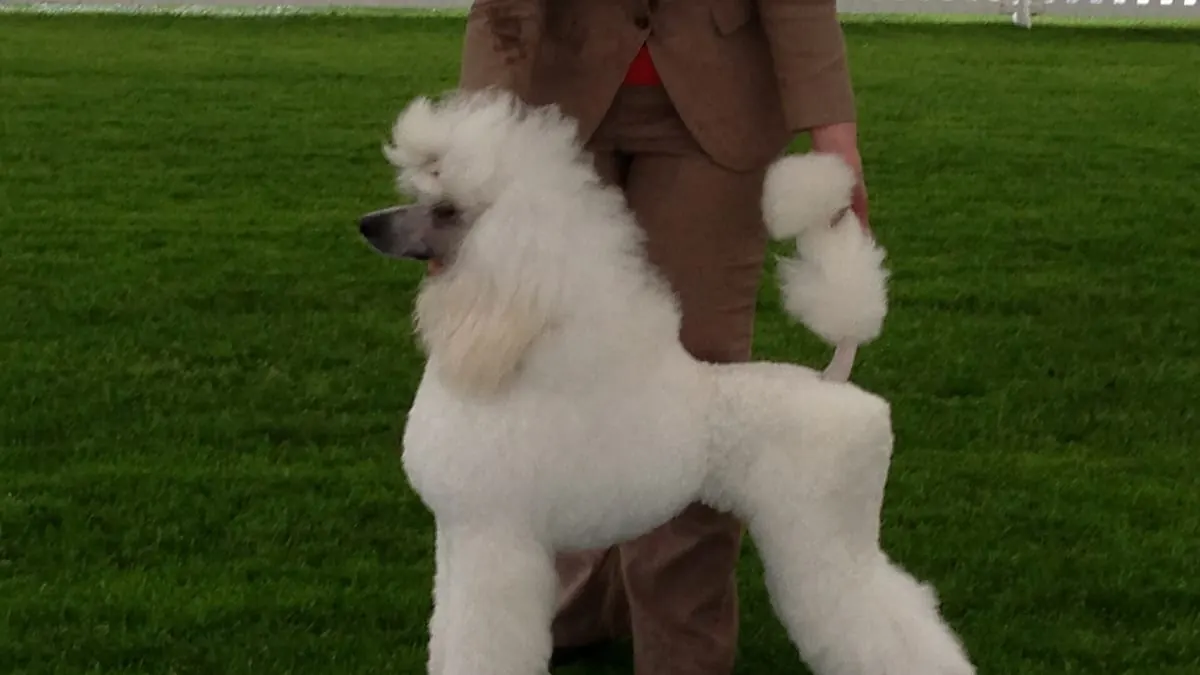
Few breeds inspire as much misunderstanding as the Poodle. The elaborate show clips suggest a pampered ornament, yet the Poodle is at heart a hard-working water retriever with an athlete's body and one of the sharpest minds in dogdom. The American Kennel Club recognizes Standard, Miniature and Toy Poodles, with height distinguishing the three varieties.
From Duck Ponds to Drawing Rooms
The Poodle's origins trace to Europe, where the breed was developed as a water retriever. The name comes from the German Pudel, meaning to splash about in water, and hunters prized a dog brave enough to plunge into cold lakes and ponds to retrieve waterfowl. France later adopted the breed as its own, where it is called the Caniche, or duck dog.
Working retrievers needed protection from icy water without the drag of a soaked coat, and the famous clips grew from that practical need: hair was left over the joints and vital organs for warmth and removed elsewhere. Over time the breed became a favorite of European nobility, a transformation that gave the world its enduring image of the Poodle as a fussy companion rather than a capable gundog.
All three varieties share a single breed standard. The Standard Poodle is the original type, the oldest and largest, and Miniature and Toy Poodles were bred down from it. Miniatures found work hunting truffles, while Toys served as elegant companions. The American Kennel Club registered its first Poodles in the late nineteenth century, and the breed has ranked among America's most popular dogs for decades. [1]
Three Sizes, One Breed
The American Kennel Club defines the varieties strictly by height at the shoulder. A Standard Poodle stands over fifteen inches, typically reaching the low to mid twenties. A Miniature Poodle must be over ten inches but not exceed fifteen, while a Toy Poodle stands ten inches or under. A dog outside its variety's limits is disqualified from conformation competition.
Weights scale with height. Standard Poodles generally weigh forty to seventy pounds, Miniatures around ten to fifteen pounds, and Toys a mere four to six pounds. Despite the differences, all three should have the same squarely built, elegant proportions, the same long, straight muzzle and dark oval eyes, and the same proudly carried head described in the AKC standard.
The AKC places Standard and Miniature Poodles in the Non-Sporting Group and Toy Poodles in the Toy Group, a classification that surprises people who assume the breed is a show dog only. In fact Standards remain eligible for retriever hunting tests, and Poodles of every size compete successfully in agility, obedience and rally, evidence of how much working ability survives beneath the curls. [2]
The Famous Coat
The Poodle's dense, curly coat is the breed's defining feature. It sheds very little, which is why Poodles and Poodle crosses are often suggested for people with mild allergies, though veterinary and breed sources caution that no dog is truly hypoallergenic. Clipping does not replace brushing: the dense coat needs both regular maintenance and a suitable trim to prevent matting.
That continuous growth is the breed's great practical demand. Most Poodle owners brush the coat several times a week to prevent mats and visit a professional groomer every four to six weeks. Neglected coats mat close to the skin, which is uncomfortable and can hide skin problems, so grooming is a genuine, recurring commitment rather than an occasional chore.
Solid colors dominate the breed: white, black, apricot, brown, silver and cream, among others. Whatever the color, the coat may be curly or corded under the standard, and pet owners usually choose an easy-care sporting clip rather than a show trim, keeping the dog comfortable and the grooming bills manageable.
Temperament and Training
The AKC standard describes a very active, intelligent and elegant-appearing dog, and the breed's reputation for brains is well earned. Poodles learn quickly, retain training, and excel at reading subtle cues from their people. Breed profiles describe them as proud, playful and eager to please, with a touch of sensitivity that rewards gentle, positive methods.
Intelligence cuts both ways. A bored Poodle invents games, and not always games an owner approves of. Mental stimulation matters as much as physical exercise: puzzle toys, trick training and dog sports all help. Standards need substantial daily exercise and enjoy swimming, hiking and retrieving; Miniatures and Toys are lively but more portable, thriving on brisk walks and play.
Poodles tend to be reserved with strangers rather than outgoing, and they make alert watchdogs without aggression when well socialized. They bond closely with their families and generally do well with respectful children, with size matching the household: Standards for homes able to manage their size and activity, with supervised, gentle handling by children, Miniatures for many apartments, Toys for quieter adult homes.
Choosing among the three varieties is mostly about lifestyle. Standards suit active owners with room to run; Miniatures are the middle path, sturdy enough for family life and compact enough for most homes; Toys are companions through and through, content with shorter adventures but every bit as bright. All three need the same grooming discipline and the same engaged, positive training.
Health Notes and Finding the Right Fit
Veterinary sources describe Poodles as generally long-lived, with Standards commonly reaching the early teens and the smaller varieties often living longer still. Conditions reported in the breed include hip dysplasia, progressive retinal atrophy, sebaceous adenitis and Addison's disease, while deep-chested Standards face a heightened risk of bloat, a life-threatening emergency. Responsible breeders screen breeding stock, and owners should discuss any health concerns with a veterinarian.
Prospective owners should weigh the grooming commitment honestly, because it is the breed's defining cost in both money and time. In return, a Poodle offers three genuinely different size options, a low-shedding coat, and an intelligent, trainable companion suited to dog sports, therapy work or an active family life. For owners prepared to maintain the coat, few breeds give back quite so much.
Sources and further reading
Editorially reviewed on . Sources support the topics noted below; this is not a veterinary review or individual medical advice.
- American Kennel Club: Poodle Standard — Poodle background and size varieties.
- AKC: Toy Poodle — Toy Group classification; the other sizes belong to Non-Sporting.
More in Breeds
All Breeds →Ragdoll Cat Breed Profile: Size, Blue Eyes and Temperament
Ragdoll cat facts: size, blue eyes, colorpoint coat, laid-back temperament, grooming and health notes, and who this gentle breed suits.
Mixed-Breed Dogs: What Shelters and Genetics Tell Us
An evidence-based look at mixed-breed dogs: longevity and genetic studies, hybrid vigor, size unpredictability, and the shelter adoption picture.

Maine Coon Cat Breed Profile: Size, Coat and Temperament
An editorial Maine Coon cat profile covering size, shaggy coat, gentle temperament, origin lore, grooming and health notes, and who this breed suits.