German Shepherd Dog Breed Profile: History, Size and Working Roles
German Shepherd history, AKC size and temperament, exercise needs, health notes, and the working roles this herding breed still fills.
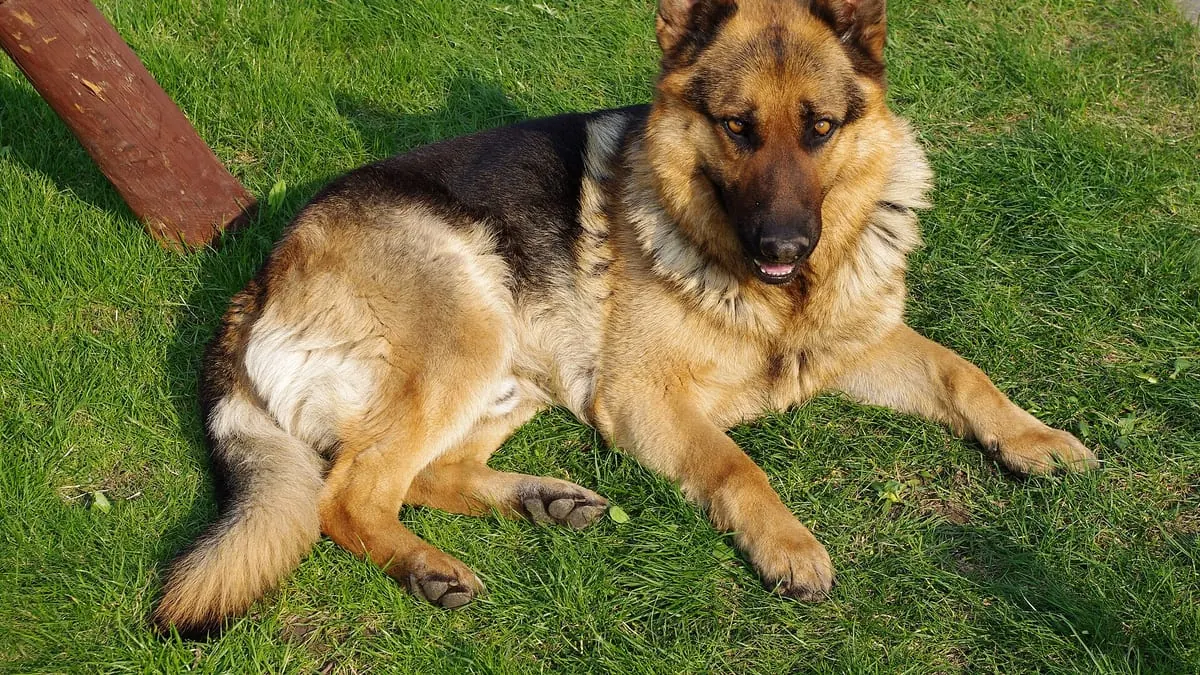
Few breeds carry as much symbolic weight as the German Shepherd Dog. Police car decals, military photographs, and old Hollywood reels all feature the same confident, black-and-tan silhouette. According to the American Kennel Club, the breed belongs to the herding group and is generally considered dog-kind's finest all-purpose worker: a large, agile, muscular dog of noble character and high intelligence.
That reputation was engineered, not inherited. The German Shepherd is barely more than a century old, and its creation was the deliberate project of a single man. Understanding that origin explains almost everything about the breed's modern needs: why it thrives on work, why socialization matters, and why it belongs with owners who invest time in training.
One captain, one dog, one breed
In 1899, a German cavalry captain named Max von Stephanitz attended a dog show near Karlsruhe and bought a striking yellow-and-gray herding dog named Hektor Linksrhein. Renamed Horand von Grafrath, that dog became the first entry in the stud book of the Verein für Deutsche Schäferhunde, the German Shepherd club founded in April 1899, which von Stephanitz led as its first president, according to the club's own published history.
Von Stephanitz standardized the breed from the varied herding dogs of southern and central Germany around a simple principle: form follows function. Herding was already declining in industrializing Germany, so he pivoted the breed toward police and military service, arguing that the German Shepherd's future lay in useful work of every kind.
History vindicated him. German Shepherds served as messengers, sentries, and rescue dogs in the First World War, and returning soldiers carried stories of the breed home. Hollywood sealed its fame when the silent-era stars Strongheart and Rin Tin Tin made the breed an American favorite, and German Shepherds went on to pioneer formal guide-dog work in Europe and the United States.
Today the breed remains a mainstay of police and military units, search-and-rescue teams, and service-dog programs worldwide, while serving as a steady, if demanding, family companion. That blend of capability and devotion is precisely what attracts, and should caution, prospective owners.
Size, structure and movement
According to AKC breed information, German Shepherd Dogs stand 22 to 26 inches at the shoulder, with males at the taller end, and weigh between 50 and 90 pounds depending on sex. The outline shows smooth, graceful curves rather than angles, and the natural gait is a free-and-easy trot that can accelerate to impressive speed. [1]
The double coat is typically medium length with a dense undercoat, and common colors include black and tan, sable, and black-based patterns. Shedding is constant and heavy, with pronounced seasonal coat blows — an important practical point for house-proud owners. The ears stand erect, and the expression is alert, intelligent, and watchful.
Temperament: loyal, confident, selective
The AKC describes the breed as loyal, confident, courageous, and steady, and singles out character as its defining attribute: the ability to learn commands for many tasks and the willingness to defend loved ones. The breed standard also notes a certain aloofness that does not lend itself to immediate and indiscriminate friendships — a diplomatic way of saying German Shepherds choose their people carefully.
With family, a well-bred, well-socialized German Shepherd is affectionate, playful, and famously patient with children it knows. With strangers, reserve is expected, and sharpness or fearfulness is considered a fault. Early, wide-ranging socialization is therefore not optional: puppy classes, varied environments, and calm exposure to new people shape the confident adult the standard envisions.
Intelligence of this order cuts both ways. A German Shepherd without training, exercise, and a sense of purpose will invent its own job, and its choices may include herding children, barking at delivery drivers, or remodeling furniture. The breed suits owners who enjoy training as much as companionship.
Exercise, training and grooming
This is a high-energy working breed that needs substantial daily exercise: long walks, running in safe open areas, fetch, scent games, and structured play. Beyond physical work, the breed needs mental exercise — obedience, tracking, agility, or puzzle toys — and many German Shepherds genuinely relax once the day's job is done.
Training should begin in puppyhood and continue for life. The breed learns quickly and takes pride in cooperating, but strength and confidence mean an untrained adult can overwhelm a novice household. Consistent, reward-based methods build the partnership the breed was designed for.
Grooming means frequent brushing to manage the undercoat, with more during shedding seasons, plus routine nail, ear, and dental care. Baths are occasional. None of it is difficult, but the sheer volume of shed fur surprises owners who have not lived with a double-coated breed before.
Health notes and the right home
A breed lifespan range is a population summary, not a prediction for one dog. Health discussions should focus on documented parental screening, the individual dog's mobility and body condition, and preventive veterinary care. Ask specifically about hip and elbow evaluation and any relevant genetic testing; a reassuring breed label cannot replace the actual results. [2]
These are population-level risks rather than certainties, and they argue for practical steps: choosing breeders who document orthopedic and genetic screening, keeping the dog lean, discussing feeding and any individual bloat risk with a veterinarian, and consulting a veterinarian early about any gait changes or mobility concerns. Individual dogs vary, and routine examinations catch many problems while they are manageable.
The German Shepherd suits experienced, active owners who have time for daily training and exercise and who want a deeply involved companion. It asks more than most breeds — of time, space, and consistency — and repays exactly what it is given. In the right hands it remains, as its admirers have argued for more than a century, the finest all-purpose worker in dogdom.
Sources and further reading
Editorially reviewed on . Sources support the topics noted below; this is not a veterinary review or individual medical advice.
- American Kennel Club: German Shepherd Dog — Breed size, coat, working background and temperament.
- AAHA: 2021 Nutrition and Weight Management Guidelines — Body-condition monitoring and individualized care; screening questions are owner guidance.
More in Breeds
All Breeds →Ragdoll Cat Breed Profile: Size, Blue Eyes and Temperament
Ragdoll cat facts: size, blue eyes, colorpoint coat, laid-back temperament, grooming and health notes, and who this gentle breed suits.
Mixed-Breed Dogs: What Shelters and Genetics Tell Us
An evidence-based look at mixed-breed dogs: longevity and genetic studies, hybrid vigor, size unpredictability, and the shelter adoption picture.
Maine Coon Cat Breed Profile: Size, Coat and Temperament
An editorial Maine Coon cat profile covering size, shaggy coat, gentle temperament, origin lore, grooming and health notes, and who this breed suits.