Maine Coon Cat Breed Profile: Size, Coat and Temperament
An editorial Maine Coon cat profile covering size, shaggy coat, gentle temperament, origin lore, grooming and health notes, and who this breed suits.
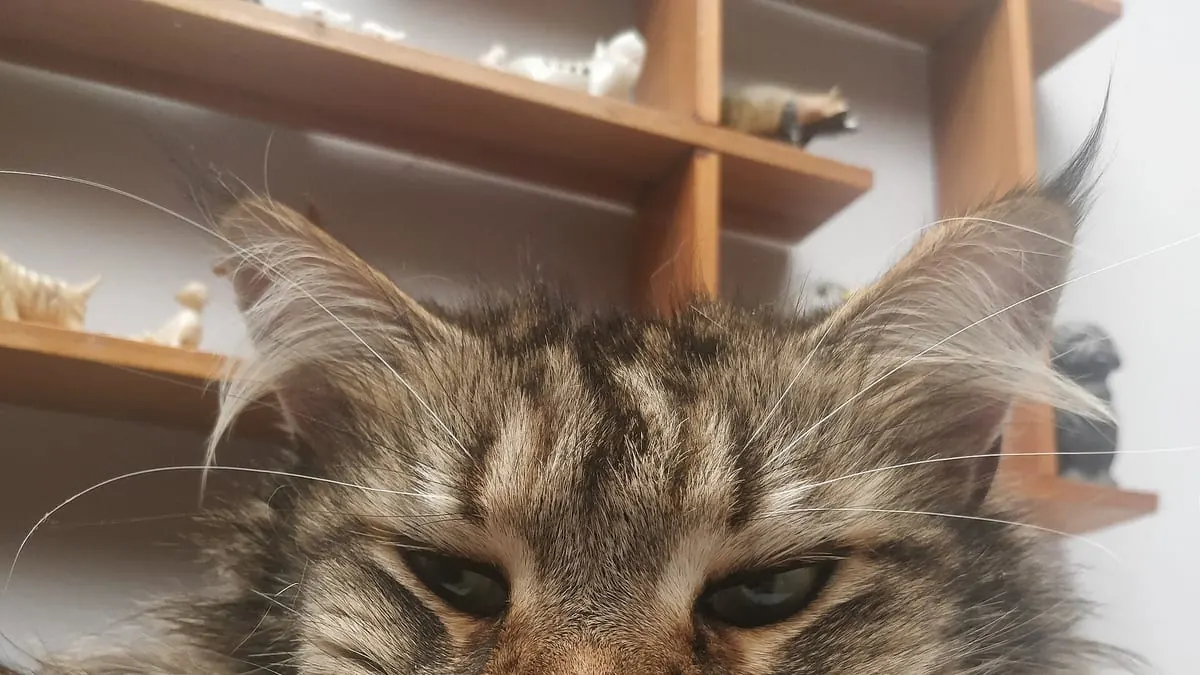
The Maine Coon is the gentle giant of the cat fancy: a large, shaggy, tufted-eared cat with a personality as warm as its coat. One of the oldest natural breeds in North America, it combines the look of an animal built for blizzards with the temperament of a devoted companion.
America's Native Longhair
The breed's history is part fact, part folklore. As the Cat Fanciers' Association tells it, the Maine Coon is America's first indigenous show cat, developed in the northeastern United States from working cats that earned their keep as mousers on farms, boats and trading posts along the coast. [1]
The legends are more colorful. One early theory claimed the breed resulted from cats mating with raccoons, an idea that gave the breed its name and its bushy, ringed tail, though the CFA notes this is genetically impossible. Another romantic tale involves a sea captain hired to smuggle Queen Marie Antoinette out of France, said to have loaded his ship with the queen's longhaired cats before her escape failed. A further story credits an English captain named Coon, whose longhaired cats supposedly came ashore with him all along the New England coast.
The likeliest explanation, according to the CFA, is more ordinary: longhaired cats brought by sailors and settlers interbred with local shorthairs, and generations of harsh New England winters favored cats with heavy, weatherproof coats, big snowshoe paws and rugged health. Whatever the truth, the result was a distinctly American cat superbly adapted to a hard climate.
The breed's show career is well documented. A dozen Maine Coons were listed in the program of a cat show held in Boston in January 1878, and in 1895 a brown tabby named Cosey took Best in Show at the first major national cat show, held at Madison Square Garden. Popularity later faded as Persians rose, before dedicated breeders revived the breed in the twentieth century.
The breed's home state is proud of it: Maine has designated the Maine Coon its official state cat, and registry interest is strong across North America, with the Cat Fanciers' Association listing the breed among its most registered pedigree cats in recent reporting.
Size, Coat and Appearance
Maine Coons are big. According to the CFA, males commonly average twelve to fifteen pounds, with some individuals reaching twenty pounds or more, while females average nine to twelve pounds. They are also slow to mature, often not reaching full size until they are three to five years old, far longer than most cats.
The CFA standard calls for a muscular, broad-chested, rectangular body with a square muzzle, high cheekbones and large, well-tufted ears. The heavy, shaggy coat is shorter on the shoulders and longer on the stomach and britches, with a frontal ruff, and the long, flowing tail is wide at the base. Paws are large, round and well tufted, an inheritance from snowy New England winters.
Coats come in a wide range of colors and patterns, with the brown tabby the classic image. Whatever the pattern, the texture should feel silky and fall smoothly, a working coat built for weather rather than a cottony ornamental one.
Temperament: The Gentle Giant
Breed standards emphasize an essentially amiable disposition, and the nickname gentle giant is well earned. Maine Coons are sociable, easygoing cats that generally get along with children, polite dogs and other cats. They remain playful well into adulthood, and many famously learn to fetch or to sit on cue.
Their communication is distinctive. Rather than loud meowing, many Maine Coons chirp and trill, and they are known for following their people from room to room and supervising everything from a nearby perch. Most prefer to be near their owners rather than on them, offering companionship without constant handling.
Curiosity is constant. Maine Coons investigate bags, shelves and faucets, and many are fascinated by water, a preference that varies between individuals and should not be treated as evidence of a particular ancestry. Families wanting an interactive, engaged cat will find the breed an enthusiastic participant in daily life rather than a decorative presence.
Care, Health and the Right Home
The shaggy coat needs regular maintenance. Breed and veterinary sources recommend brushing several times a week to prevent mats, daily during heavy seasonal shedding, along with routine nail trims and dental care. Many Maine Coons accept grooming readily if it is introduced gently in kittenhood.
On health, veterinary sources note that Maine Coons are predisposed to hypertrophic cardiomyopathy, a heart condition with known breed-associated genetic variants, although genetic testing cannot detect every case, as well as hip dysplasia and, less commonly, spinal muscular atrophy. Responsible breeders screen breeding cats for these conditions. Because heart disease can develop at any age, breed health councils encourage regular veterinary examinations, and any owner who notices breathing changes, fainting or unusual lethargy should consult a veterinarian promptly. [2]
Life with a giant breed also brings practical adjustments. Veterinary sources note that large, slow-maturing cats do best on a diet appropriate to their age and size, and that sturdy cat trees, roomy litter boxes and wide resting perches are worth the investment. Anyone unsure about nutrition for a growing kitten should ask a veterinarian for guidance rather than rushing growth.
Prospective owners should be prepared for a cat that takes years to finish growing, sheds substantially and wants to be part of the household conversation. In exchange, the breed offers the possibility of an affectionate, interactive companion, with personality and health varying between cats. For families, multi-pet homes and anyone who has ever wanted a small, furry dog in a cat's body, the Maine Coon is a hard act to beat.
Sources and further reading
Editorially reviewed on . Sources support the topics noted below; this is not a veterinary review or individual medical advice.
- CFA: Maine Coon Cat breed profile — Breed history, folklore identified as folklore, size and coat.
- Cornell Feline Health Center: Hypertrophic cardiomyopathy — HCM predisposition and limits of genetic screening.
More in Breeds
All Breeds →Ragdoll Cat Breed Profile: Size, Blue Eyes and Temperament
Ragdoll cat facts: size, blue eyes, colorpoint coat, laid-back temperament, grooming and health notes, and who this gentle breed suits.
Mixed-Breed Dogs: What Shelters and Genetics Tell Us
An evidence-based look at mixed-breed dogs: longevity and genetic studies, hybrid vigor, size unpredictability, and the shelter adoption picture.
Cavalier King Charles Spaniel Profile: Temperament and Heart Health
Cavalier King Charles Spaniel profile: AKC size, temperament, grooming, mitral valve disease notes, and who this toy spaniel suits best.