Dachshund Breed Profile: Temperament, Back Health and Care
An editorial Dachshund breed profile: AKC sizes and three coat varieties, bold temperament, spinal health awareness, daily care, and who this hound suits.
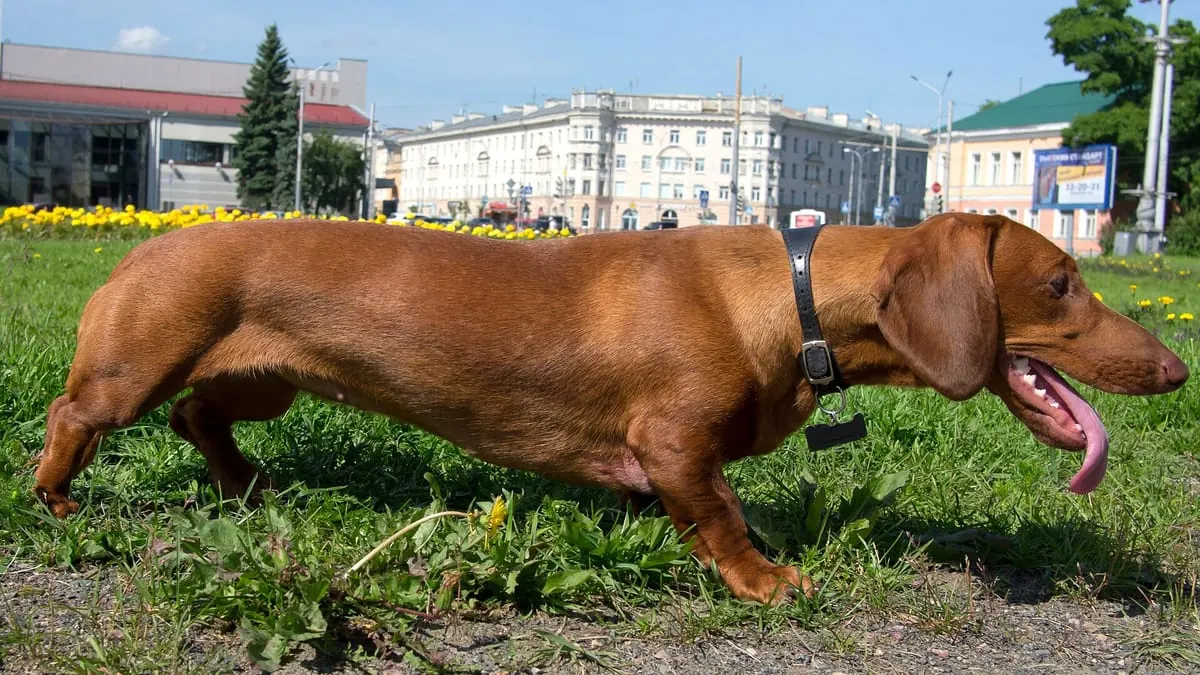
Long of body, short of leg and enormous of personality, the Dachshund is one of the most recognizable silhouettes in the dog world. Bred in Germany to follow badgers underground, the breed combines a hound's nose, a terrier's boldness and a comedian's timing in a compact, low-slung package that has charmed owners for centuries. [1]
Built for the Badger Sett
The breed's name says everything about its purpose: Dachs is the German word for badger and Hund means dog. German hunters needed a dog low enough to enter a badger's tunnel, brave enough to face an angry badger in the dark, and persistent enough to hold the quarry at bay until the hunter could dig down to it.
Those requirements shaped every feature. The short legs kept the dog close to the ground and to scent, the long, muscular body provided leverage for digging, the deep chest gave heart and lung capacity, and the loud, carrying voice let hunters track the fight from above. Larger dogs took on badgers and boar, smaller ones worked rabbits and hares, and three coat varieties emerged to suit different terrain and weather.
The American Kennel Club recognized the Dachshund in 1885, and the breed has remained a favorite ever since. Germany's affection for the dog is perhaps best captured by Waldi, the colorful Dachshund chosen as the first official Olympic mascot at the 1972 Munich Games. Queen Victoria, a lifelong dog lover, also kept Dachshunds and helped popularize them in Britain.
Size, Coats and Appearance
According to the AKC breed standard, standard Dachshunds usually weigh between sixteen and thirty-two pounds and stand eight to nine inches tall at the shoulder. Miniature Dachshunds weigh eleven pounds and under at twelve months of age, and the AKC treats the miniature as a weight division within the breed rather than a separate variety. [2]
Three coat types are recognized. The smooth coat is short and shiny, the longhaired coat is sleek and silky with feathering, and the wirehaired coat has a dense, wiry outer layer and a distinctively bearded face. Colors and patterns run from solid red and black-and-tan to dapple and brindle, giving the breed a surprisingly wide wardrobe.
Whatever the coat, the outline is unmistakable: low to ground, long in body, robustly muscled, with alert, almond-shaped eyes and ears hanging close to the cheeks. The standard emphasizes that a Dachshund should look like a working animal, balanced and capable of real exertion, never crippled, awkward or exaggerated.
Temperament: Small Dog, Big Opinions
The AKC standard describes the Dachshund as clever, lively and courageous to the point of rashness, with any display of shyness considered a serious fault. Owners will recognize the portrait: a dog that greets the world with total confidence, challenges dogs several times its size, and makes its opinions on dinner times and furniture rights abundantly clear.
Dachshunds bond intensely with their families and crave involvement in everything, yet they retain an independent, sometimes stubborn streak inherited from a job that required them to make decisions underground without guidance. Training works best with patience, consistency and food rewards; harsh methods tend to produce a sulk rather than cooperation.
The breed is a capable watchdog, quick to bark at anything unusual, and many Dachshunds are reserved with strangers. Earthdog trials, tracking and scent games give the breed a legal outlet for its hunting instincts, and a Dachshund denied such entertainment will usually devise its own, often involving the flowerbeds.
Caring for a Long Back
The Dachshund's long, low conformation makes spinal health a central ownership question. Intervertebral disc disease can cause pain, weakness or paralysis, but the risk is not identical across individual dogs or breeding lines. Ask a veterinarian and breeder about available screening and family history rather than treating a single prevalence estimate as a forecast for a puppy.
Daily management should support comfort and safe movement, without a promise to prevent disc disease. Breed health advisers and veterinarians commonly recommend keeping the dog lean, since excess weight loads the spine; providing ramps or steps to furniture; discouraging jumping from heights; and encouraging steady, muscle-building exercise rather than weekend bursts of activity. Signs of a back problem, such as a hunched posture, reluctance to move or dragging paws, warrant immediate veterinary attention.
Grooming requirements vary by coat. Smooth Dachshunds need little more than a weekly wipe-down, longhairs benefit from regular brushing, and wirehaired dogs need periodic hand-stripping or professional grooming. All three shed moderately and benefit from routine nail trims, dental care and ear checks.
Health Notes and the Right Home
With attentive care, Dachshunds are long-lived dogs, and the AKC lists a life expectancy of twelve to sixteen years. Beyond spinal issues, veterinary sources note that excess weight aggravates back risk and that patellar luxation and dental disease can occur in small breeds generally. Regular veterinary checkups, weight management and sensible exercise remain the best preventive tools an owner has.
The ideal Dachshund home is one that embraces a bold, opinionated companion. The breed suits apartments as readily as houses, provided its exercise and mental needs are met, and it thrives with owners who find its stubbornness funny rather than frustrating. Households with many stairs or slippery floors may want ramps and rugs. In return for that care, owners get a devoted, entertaining hound whose loyalty is every bit as outsized as its body.
Sources and further reading
Editorially reviewed on . Sources support the topics noted below; this is not a veterinary review or individual medical advice.
- American Kennel Club: Dachshund — Breed background, coat varieties and owner considerations.
- AKC: Official Dachshund standard — American size divisions and conformation.
More in Breeds
All Breeds →Ragdoll Cat Breed Profile: Size, Blue Eyes and Temperament
Ragdoll cat facts: size, blue eyes, colorpoint coat, laid-back temperament, grooming and health notes, and who this gentle breed suits.
Mixed-Breed Dogs: What Shelters and Genetics Tell Us
An evidence-based look at mixed-breed dogs: longevity and genetic studies, hybrid vigor, size unpredictability, and the shelter adoption picture.
Maine Coon Cat Breed Profile: Size, Coat and Temperament
An editorial Maine Coon cat profile covering size, shaggy coat, gentle temperament, origin lore, grooming and health notes, and who this breed suits.