Cavalier King Charles Spaniel Profile: Temperament and Heart Health
Cavalier King Charles Spaniel profile: AKC size, temperament, grooming, mitral valve disease notes, and who this toy spaniel suits best.
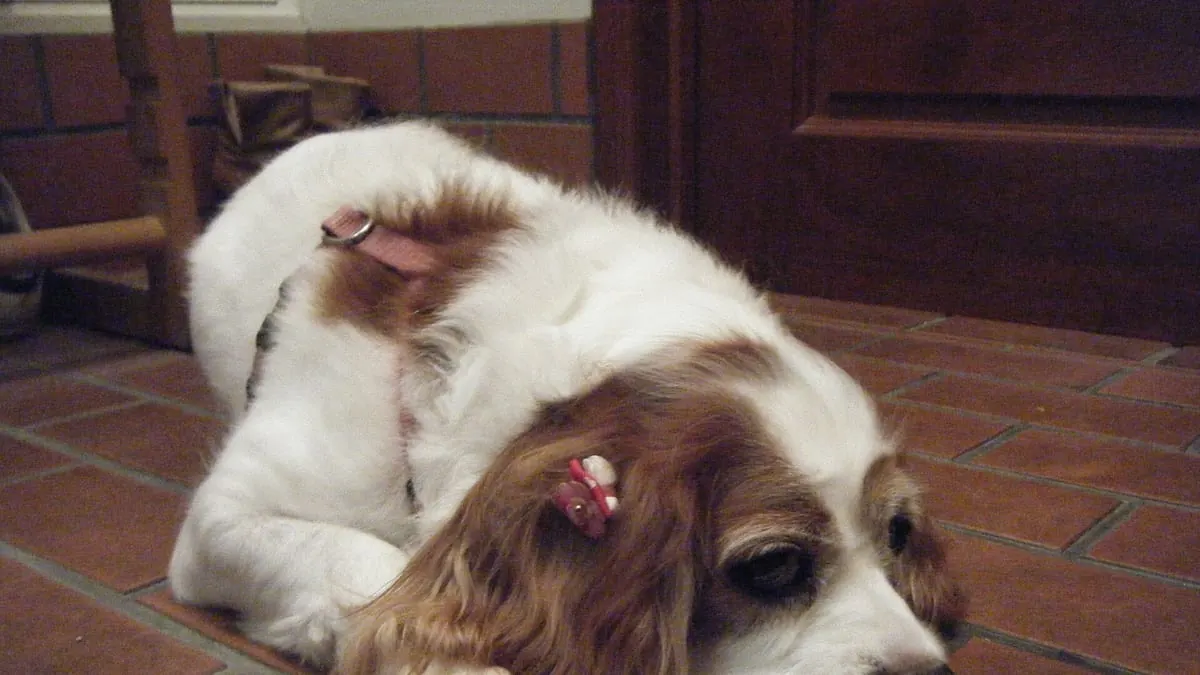
The Cavalier King Charles Spaniel looks like a dog painted for a royal portrait, and there is a reason for that: the breed is the modern echo of the toy spaniels that appear in centuries of European art and that gave England's Stuart kings their favorite lapdogs. According to the American Kennel Club, the Cavalier belongs to the toy group and combines the gentle attentiveness of a toy breed with the verve and athleticism of a sporting spaniel. [1]
That dual nature — lapdog and athlete, aristocrat and clown — is the key to the breed's enduring appeal. It is also a guide to living with one. This profile covers the Cavalier's history, appearance, temperament, care, and the heart-health realities that every prospective owner should understand before choosing the breed.
From royal laps to a twentieth-century revival
Toy spaniels were fixtures of noble households across Europe for centuries, and in seventeenth-century England they became inseparable from King Charles II, who was famously accompanied by them at court and at rest. The breed's name honors that royal connection, and the affectionate, people-centered temperament the king prized remains a hallmark today.
By the early twentieth century, however, flatter-faced toy breeds had changed fashion, and dogs resembling the longer-muzzled spaniels of the old paintings had become rare in Britain. In the 1920s, an American enthusiast offered prize money at England's Crufts show for dogs matching those historic portraits, and breeders rebuilt the type from remaining stock. The revived dogs were named Cavalier King Charles Spaniels to distinguish them from the flatter-faced King Charles Spaniel still shown in Britain.
The breed spread steadily through Europe and North America, and the AKC granted it full recognition in 1995. Since then the Cavalier has become one of the most popular toy breeds in several countries — a success built on temperament as much as beauty.
A small spaniel with silk and symmetry
According to AKC breed information, the Cavalier stands 12 to 13 inches at the shoulder and weighs 13 to 18 pounds — a toy spaniel no more than 13 inches high, in the club's words. The body is small but well-proportioned and athletic, with a long feathered tail and free, elegant movement that hints at its sporting ancestry. [2]
The head is the breed's calling card: large, round, dark eyes with a sweet, gentle, melting expression, high-set feathered ears, and a softly tapered muzzle. The silky coat comes in four recognized color varieties — Blenheim, rich chestnut on white; tricolor, black and white with tan markings; ruby, a solid rich red; and black and tan.
Coat care follows from the texture: brushing several times a week prevents mats in the feathering on the ears, chest, and legs, with more frequent attention during seasonal shedding. Regular ear checks matter too, because the long, heavy ears can trap moisture and debris.
Temperament: adaptable, affectionate, unguarded
The AKC's official temperament words are affectionate, gentle, and graceful, and these describe the breed ideal rather than every individual dog. They are famously people-oriented — happy to follow their humans from room to room, curl into any available lap, and greet guests with a wagging tail rather than suspicion.
The breed adapts with unusual ease to its owners' lifestyles. Cavaliers can join an active household for hikes and games or settle into a quieter home as devoted couch companions; the AKC notes they can be upbeat athletes or shameless couch potatoes depending on the family. They generally get along well with children and other dogs, making them a gentle fit for multi-pet households.
The flip side of that sociability is a poor tolerance for isolation. Cavaliers are companion dogs, and long days alone can lead to distress and mischief. They suit homes where someone is usually present or where a second pet shares the company.
Health: the heart of the matter
Cavaliers live around 12 to 15 years according to AKC breed information, and they are generally cheerful, easy housemates. The breed's most significant health concern, however, is myxomatous mitral valve disease, a progressive degeneration of the heart's mitral valve that veterinary cardiologists identify as the most common heart disease in dogs — and one to which Cavaliers are predisposed notably earlier than other breeds.
Veterinary cardiology sources explain that the degenerating valve leaks blood backward, gradually enlarging the heart and, in some dogs, eventually leading to congestive heart failure. The condition often announces itself only as a murmur heard during a routine examination, which is why veterinary sources recommend regular heart auscultation from a young age, echocardiography when a murmur appears, and simple monitoring such as counting a resting dog's breathing rate at home. [3]
The picture is not as bleak as it may sound: cardiology sources note that many dogs with mitral valve disease never progress to heart failure, that modern medications can meaningfully delay its onset in dogs whose disease does advance, and that screened, carefully bred lines age differently than unscreened ones. Breed clubs in several countries run cardiac screening programs, and responsible breeders test breeding dogs and favor older, heart-clear parents.
Veterinary sources also associate the breed with syringomyelia, a neurological condition related to skull shape, as well as certain eye conditions, patellar luxation, and hip dysplasia, as the AKC's health notes describe. These are risks to manage through informed breeder selection and routine veterinary care, not certainties — and a veterinarian remains the right advisor for any individual dog.
Who the Cavalier suits
The Cavalier rewards first-time owners, apartment dwellers, retirees, and families who want a gentle, affectionate dog without a demanding exercise regime. Its needs are moderate: daily walks, play, grooming, companionship, and attentive preventive health care.
Prospective owners should choose breeders who document cardiac screening of the parents, keep their dog lean, schedule regular veterinary examinations, and learn the early signs of heart disease. Do that, and the Cavalier offers what it offered a king: loyal, graceful companionship, in a package small enough to share any sofa and sweet enough to win any room.
Sources and further reading
Editorially reviewed on . Sources support the topics noted below; this is not a veterinary review or individual medical advice.
Breed characteristics describe tendencies. Discuss heart screening and any murmur with a veterinarian; this article does not estimate an individual dog's prognosis.
- American Kennel Club: Cavalier King Charles Spaniel — Breed background and typical companion traits.
- AKC: Official Cavalier King Charles Spaniel standard — Size, proportions, natural coat and breed-standard appearance.
- Cornell Cardiology: Leaky valve disease — Mitral valve disease, assessment and stage-dependent management.
More in Breeds
All Breeds →Ragdoll Cat Breed Profile: Size, Blue Eyes and Temperament
Ragdoll cat facts: size, blue eyes, colorpoint coat, laid-back temperament, grooming and health notes, and who this gentle breed suits.
Mixed-Breed Dogs: What Shelters and Genetics Tell Us
An evidence-based look at mixed-breed dogs: longevity and genetic studies, hybrid vigor, size unpredictability, and the shelter adoption picture.

Maine Coon Cat Breed Profile: Size, Coat and Temperament
An editorial Maine Coon cat profile covering size, shaggy coat, gentle temperament, origin lore, grooming and health notes, and who this breed suits.