Flea and Tick Prevention Basics: Year-Round Protection
CAPC advises year-round parasite control. A plain-English look at flea and tick basics, product categories, and tick-borne disease risks.
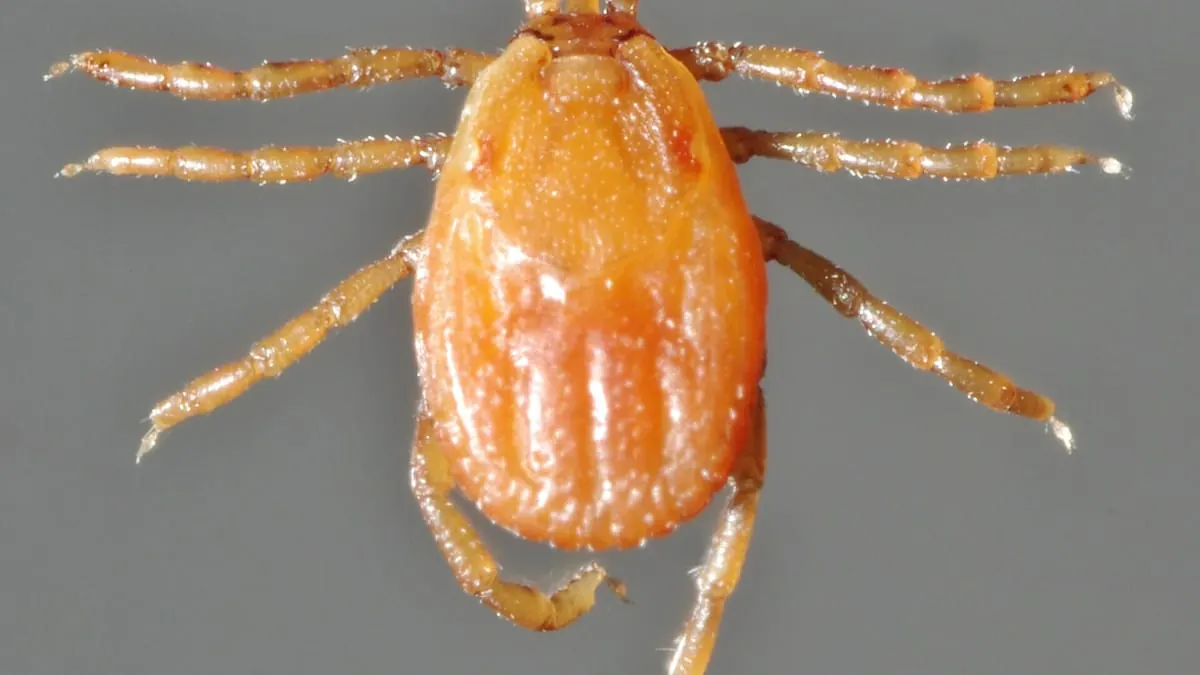
Every spring, checkout lines and search bars fill with the same question: when does flea and tick season start? The honest answer, according to the veterinary parasitologists who study these pests for a living, is that the framing is part of the problem. For many parasites, in many regions, there is no clean off-season, and modern guidance reflects that reality.
The Companion Animal Parasite Council, the body whose guidelines most veterinary practices follow on parasites, recommends that all dogs be treated year-round, throughout their lives, with tick control products, and it extends the same logic to cats and to fleas. Prevention, in this framework, is not a summer chore but a standing habit, something pets receive in January as reliably as in July. [1]
Why Year-Round Beats Seasonal
Temperature assumptions are the first thing to retire. Tick activity depends on weather, but the thresholds are far lower than most owners assume, and a stretch of mild winter days is enough for many species to become active. CAPC notes that tick activity can occur year-round, and that pets travel, which conveniently moves parasites to regions they never inhabited before.
Indoors is its own microclimate. The brown dog tick is notable for completing its entire life cycle inside homes and kennels, and fleas thrive in heated, carpeted rooms regardless of the weather outside. Even a strictly indoor cat can encounter fleas that hitch in on clothing or on a visiting dog, which is why CAPC's guidance covers cats who never ask to go out. [2]
Consistency is also the practical shield. A single unprotected month can let fleas lay the groundwork for an infestation that takes months to clear, because flea eggs and larvae settle into bedding and baseboards long before anyone notices an adult flea. Gaps in protection, CAPC's guidance implies, are where infestations begin.
What Fleas and Ticks Can Pass Along
The annoyance of scratching understates the stakes. Flea allergy dermatitis, a hypersensitivity to flea saliva, ranks among the most common skin diseases veterinary dermatologists treat, and fleas carry tapeworm, which pets acquire when they groom an infected flea off their coats. In small or young animals, heavy flea infestations can draw enough blood to cause anemia.
Ticks carry the heavier ledger. In the United States, ticks transmit the agents of Lyme disease, ehrlichiosis, anaplasmosis, and Rocky Mountain spotted fever, and some of these infections can produce lasting illness in dogs. People share the concern rather than merely worrying about their pets: CAPC notes that dogs can act as sentinels for tick-borne risks that also apply to the humans who share their homes and trails.
Promptness matters when a tick is found. CAPC recommends removing attached ticks promptly, since the risk of transmitting many pathogens rises with the time a tick spends feeding. Fine-tipped tweezers, a steady pull close to the skin, and a quick note or photo for the veterinary record handle most encounters calmly.
The Main Product Categories
Prevention products fall into a handful of families, each with trade-offs worth understanding before choosing among them.
Topical spot-ons
Applied to the skin, usually along the back, topicals spread through the skin's oil layer and provide monthly or longer protection. Many have decades of use behind them, and they remain a mainstay for cats, whose oral options are more limited. Frequent swimming or bathing can shorten their effectiveness, so timing matters.
Oral chewables
FDA reports neurologic adverse reactions associated with isoxazoline products, including tremors, loss of coordination and seizures in some dogs and cats. Seizures can occur without a previous seizure history. Most animals have not experienced these reactions, but the label, medical history and any new signs should be discussed with the veterinarian. Oral delivery is not what defines this drug class; products and formulations differ. [3]
Collars
Modern flea and tick collars release active ingredients continuously over months, which removes the monthly memory burden. Fit matters for both safety and efficacy, since a loose collar protects no one, and dogs who chew on collars need a different plan.
Environmental work supports all of the above. Regular vacuuming, washing pet bedding in hot water, and managing the shaded, brushy margins of a yard all reduce the parasite load a pet encounters. Treating every dog and cat in the household matters too, because an untreated pet can quietly maintain a flea population that the treated ones keep feeding.
Safety First
Species confusion is the sharpest hazard in this field. Some products formulated for dogs contain permethrin, which can be highly toxic to cats even though some dog-labeled formulations contain it, capable of causing tremors and seizures when applied to or groomed off a feline housemate. Reading labels, following weight ranges, and never splitting products between species prevent most tragedies.
Age and health shift the calculus as well. Very young puppies and kittens, seniors, and pets taking other medications all need individualized selections, and your veterinarian can help determine what fits, including which products to avoid in a particular household.
Building a Routine That Sticks
Indoor-only cats deserve specific mention. Their risk profile differs from a hiking dog's, but it is not zero, and CAPC's year-round recommendation includes them precisely because fleas and ticks reach indoor pets in ways unrelated to the weather. An honest look at the household, rather than the pet's door privileges, is the better guide.
The best preventive is the one actually given on schedule. Calendar reminders tied to the specific product's dosing interval and a medication record, and a standing note of which product each pet receives help a busy household keep the chain unbroken. CAPC even maintains local parasite forecasts that can prompt a mid-year check on regional risk.
Year-round prevention asks for modest, boring consistency, which is exactly what fleas and ticks exploit least well. For choosing among the options and matching them to your pet's age, health, and lifestyle, your veterinarian can help determine the combination that makes the most sense.
Sources and further reading
Editorially reviewed on . Sources support the topics noted below; this is not a veterinary review or individual medical advice.
- CAPC: Fleas — Year-round flea control and household lifecycle.
- CAPC: Ticks — Tick prevention, attachment and environmental risks.
- FDA: Potential adverse events with isoxazoline flea and tick products — Neurologic warning includes animals without a prior seizure history.
More in Pet Health
All Pet Health →Spay and Neuter Timing: What Current Research Says for Dogs
Spay and neuter timing now depends on breed, sex, and size. What UC Davis research and AAHA guidance suggest for large and small dogs.

Puppy Vaccine Schedule Explained: Core Shots and Timing
AAHA puppy vaccination guidance: the core series, leptospirosis under the 2024 update, risk-based vaccines, and planning doses with a veterinarian.

Kennel Cough in Dogs: Causes, Signs, and Prevention
Kennel cough is a complex, not a single bug. What causes CIRDC, which signs matter, and how vaccines and daily habits reduce the risk.