Dental Disease in Cats: Signs and Professional Care
Periodontal disease touches most adult cats. Learn the early signs, why cats hide dental pain, and what a professional cleaning involves.
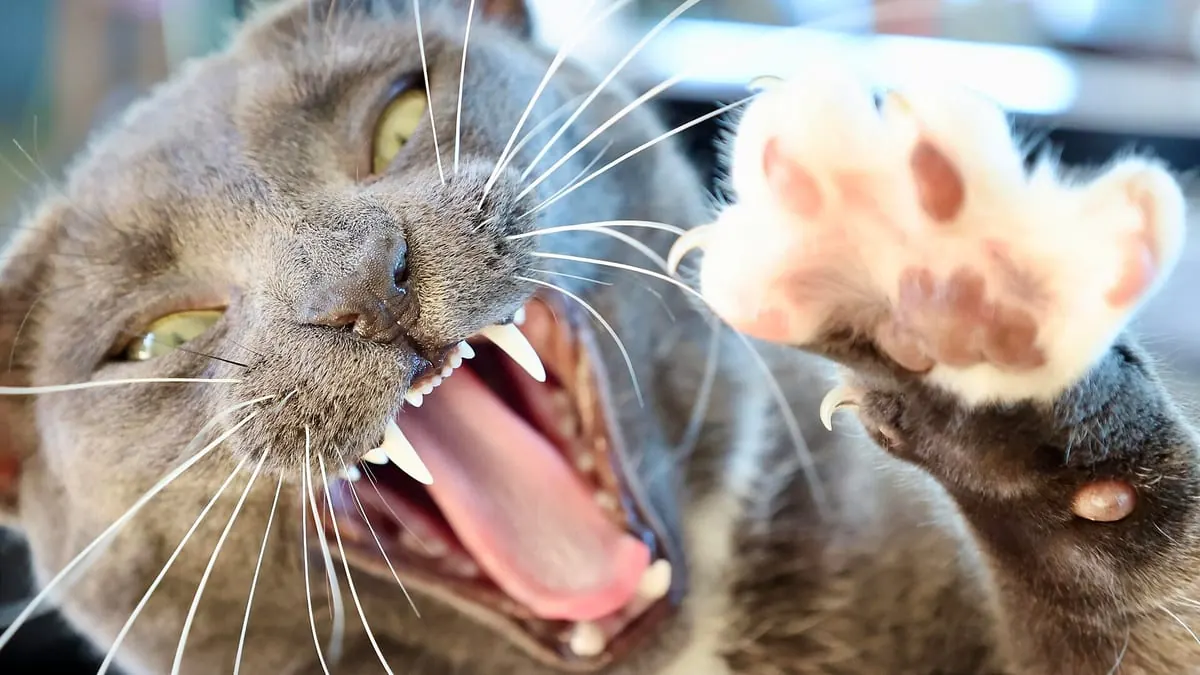
Most cat owners have heard bad breath dismissed as ordinary cat breath, a quirk of a carnivore's mouth. Veterinarians see it differently. Breath that turns noticeably foul is one of the earliest signals of dental disease, a group of conditions so common in adult cats that they rival any other diagnosis a feline practice makes, and so overlooked that many cats reach advanced disease before anyone mentions their teeth.
The numbers explain why dental health belongs in every cat conversation. According to VCA Animal Hospitals, more than half of all cats over the age of three have some form of dental disease, and the AVMA identifies periodontal disease as the most common dental condition in dogs and cats alike, with most pets showing early evidence by age three. [1]
How Dental Disease Takes Hold
Plaque is a bacterial film that accumulates on teeth and can mineralize into tartar. The most important practical distinction is that brushing can disrupt plaque, whereas established tartar and disease below the gumline need professional assessment. Gingivitis can improve when its cause is treated; loss of tooth-supporting tissue is a more serious problem.
Left in place, that inflammation progresses. Periodontal disease describes infection and destruction of the tissues that anchor each tooth, including the periodontal ligament and the bone of the jaw. The AVMA grades the condition on a scale from normal to severe, and the damage is not reversible: lost supporting bone does not grow back, which is why prevention and early detection carry so much weight in veterinary guidance.
Cats bring their own anatomy to the problem. Their teeth sit closely packed in a short jaw, giving plaque more places to linger, and flat-faced breeds such as Persians are widely noted to be at higher risk. Age compounds the trend, since years of low-grade inflammation accumulate in senior mouths.
The Trouble With Spotting It
Here is the frustrating part: many cats with significant dental disease show no obvious signs at all. VCA notes that most cats do not display symptoms their owners can detect, and a cat's instinct to conceal pain runs deep. A cat may keep eating, keep grooming, and keep greeting the food bowl while quietly nursing a sore mouth.
When signs do appear, they tend to be subtle changes rather than dramatic ones:
- Bad breath that persists beyond a passing odor
- Red or swollen gums along the gumline
- Drooling, sometimes tinged with blood
- Dropping food or chewing on one side of the mouth
- New reluctance to eat hard kibble, or swallowing it whole
- Pawing at the mouth, head shaking, or jaw chattering
Veterinary behaviorists also point to personality shifts, including irritability when the face is touched and reduced self-grooming, and VCA observes that dental pain may explain some cats' reputation as finicky eaters, with many preferring soft food simply because chewing hurts.
Beyond periodontal disease, two distinctly feline conditions deserve mention. Tooth resorption, in which the cat's own cells progressively destroy the tooth structure, is intensely painful once sensitive layers are exposed; its cause is unknown, lesions often hide below the gumline, and VCA notes that extraction of the affected tooth is the only effective treatment. Less commonly, feline chronic gingivostomatitis produces severe, widespread oral inflammation believed to reflect an extreme reaction to plaque bacteria.
What a Professional Cleaning Actually Involves
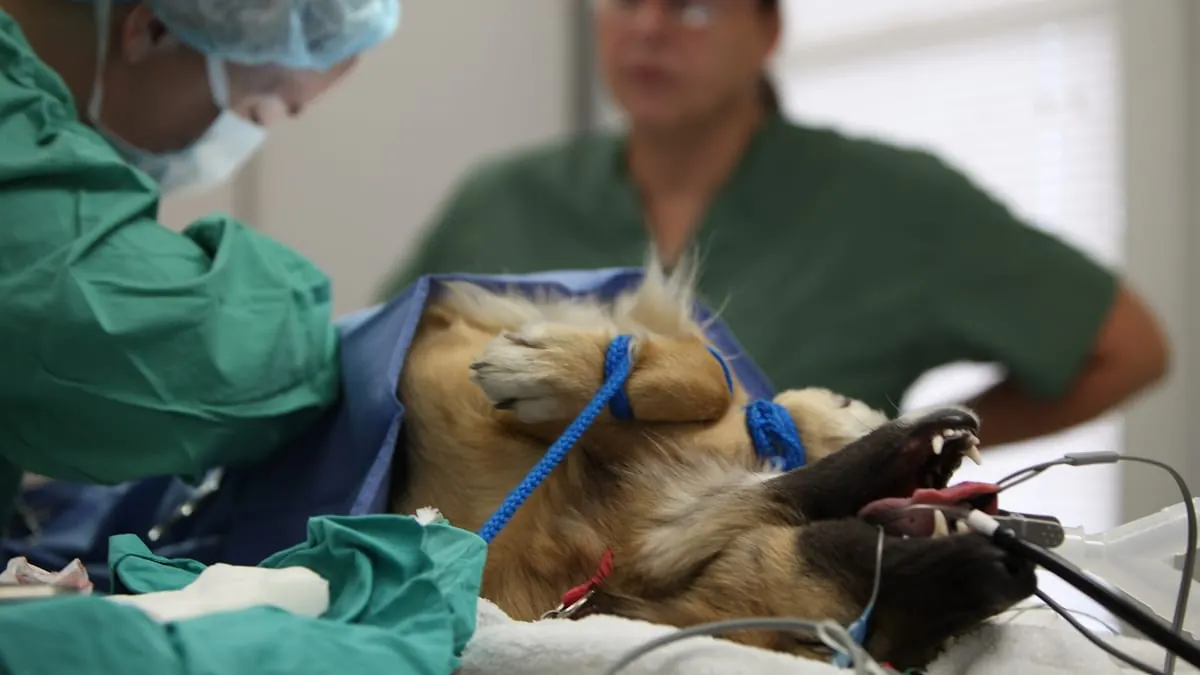
Home care cannot remove tartar that has already hardened, so treatment begins with a professional dental cleaning performed under general anesthesia. The AVMA explains why anesthesia is non-negotiable: a pet cannot be asked to hold still, and a thorough cleaning requires scaling above and below the gumline, where most disease lives, along with radiographs that are impossible to capture in a moving patient.
Dental radiographs help reveal disease hidden below the gumline and guide decisions about extraction or other treatment. An awake look in the mouth cannot reliably exclude root disease. Ask the veterinary team what imaging, anesthesia monitoring and pain control are planned for the individual cat rather than relying on an examination of visible crowns alone.
Anesthesia itself worries many cat owners, and the concern is understandable. Anesthesia has individual risks, assessed through the history, examination, appropriate testing and monitoring, and your veterinarian can walk through the individual risk assessment before any procedure is scheduled.
Home Care and Routine Exams
Between cleanings, daily effort slows the return of plaque. Tooth brushing with pet-safe products remains the gold standard when a cat tolerates it, introduced gradually and paired with rewards, and products carrying the seal of the Veterinary Oral Health Council offer another route for cats who refuse the brush. Your veterinarian's team can suggest which options suit a particular cat's temperament.
Professional oversight does the rest. The AVMA recommends that a pet's teeth be checked by a veterinarian at least once a year, and sooner when any of the warning signs above appear. Because bacteria from severe oral disease have been associated with changes in organs such as the heart, liver, and kidneys, dental monitoring is part of whole-body medicine rather than cosmetic maintenance.
If your cat's breath has changed, or mealtime habits have shifted in ways that are hard to explain, an oral examination is a reasonable next step. Your veterinarian can help determine what is happening in your cat's mouth and build a plan that fits both the cat and the household.
Sources and further reading
Editorially reviewed on . Sources support the topics noted below; this is not a veterinary review or individual medical advice.
- Cornell Feline Health Center: Feline dental disease — Common feline dental conditions, recognition, cleaning and treatment.
More in Pet Health
All Pet Health →Spay and Neuter Timing: What Current Research Says for Dogs
Spay and neuter timing now depends on breed, sex, and size. What UC Davis research and AAHA guidance suggest for large and small dogs.
Puppy Vaccine Schedule Explained: Core Shots and Timing
AAHA puppy vaccination guidance: the core series, leptospirosis under the 2024 update, risk-based vaccines, and planning doses with a veterinarian.

Kennel Cough in Dogs: Causes, Signs, and Prevention
Kennel cough is a complex, not a single bug. What causes CIRDC, which signs matter, and how vaccines and daily habits reduce the risk.