Premium Pet Food and Humanization: An Industry Reshaped
What human-grade and natural pet-food claims mean, why premium wording does not prove nutritional superiority, and how to compare a fresh-food offer.
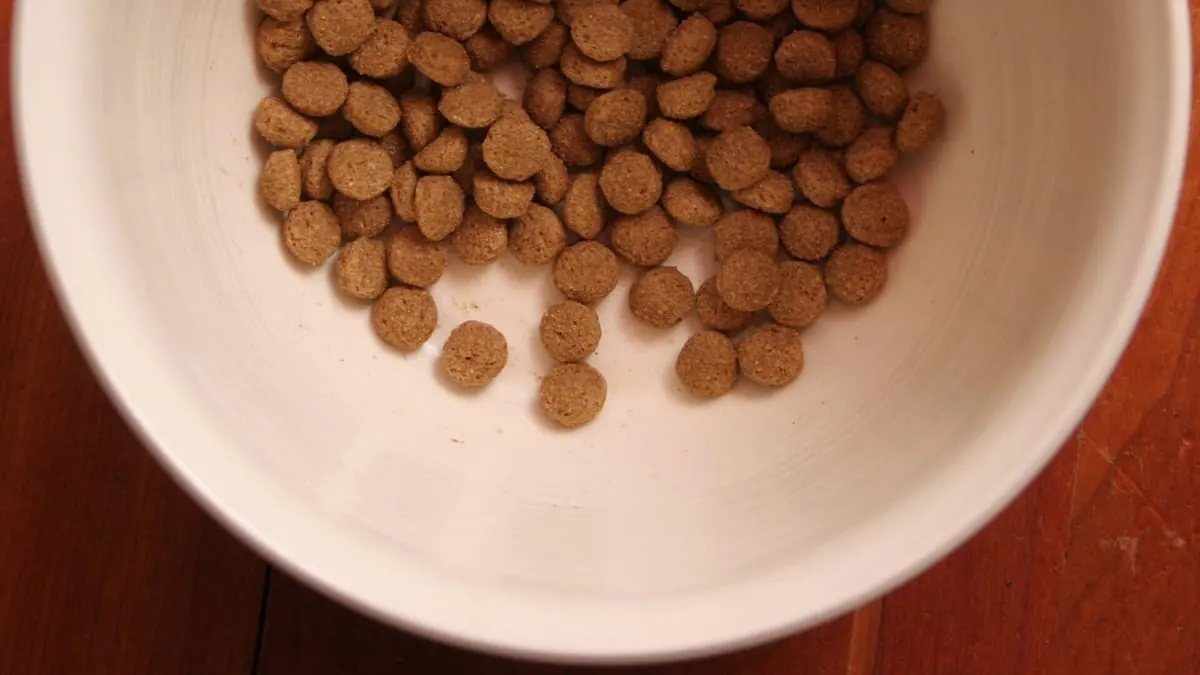
The most powerful force in the pet food aisle is not an ingredient — it is the changing status of the animals eating them. As dogs and cats moved from backyard to bedroom, the food industry followed, splitting into a high-volume commodity business and a fast-growing premium tier built on fresh formats, boutique sourcing and marketing language borrowed from human food. Understanding where that tier is heading means understanding both the numbers and the regulatory gray areas underneath them.
The premiumization engine
Premium pet-food language appeals to owners who want an understandable account of what they feed. That demand does not make every marketing adjective a nutritional standard. Begin with the intended species and life stage, nutritional adequacy statement and feeding instructions before comparing package design or ingredient imagery. [4]
Humanization is a description of how products are presented and purchased, not a scientific test of the food. A meal that resembles a person's dinner can still be incomplete for a dog or cat. Conversely, a food that looks unappealing to a person can meet the relevant nutritional requirements. Appearance and adequacy need separate evaluation.
What 'human-grade' actually means
AAFCO's human-grade guidelines describe requirements for ingredients and the handling of the finished food under the applicable human-food framework. It is a claim about eligibility and processing, not proof that a recipe supplies complete nutrition or produces better health outcomes. AAFCO develops model guidance; it is not a product-approval agency. [1]
A manufacturer making a human-grade claim needs substantiation for the claim and applicable regulatory compliance. Ask what the claim covers: the complete finished product or merely a description of selected ingredients. Do not interpret an FDA registration, inspection or a reference to AAFCO as government endorsement of a product's health benefits.
The soundalike problem
Premium, holistic and gourmet wording should not substitute for the nutritional adequacy statement. AAFCO defines natural in terms of ingredient sources and processing, with specified qualifications; a food may also need a statement about added vitamins or minerals. Natural is not a guarantee of freedom from pathogens, suitability for an allergy or nutritional superiority. [2]
By-products are not automatically unsafe or nutritionally inferior. AAFCO explains that defined by-products can include useful parts of animals that people commonly do not eat. The broad claim that feed-grade labeling legally permits any dead or diseased material is misleading. Assess the defined ingredient, manufacturing controls and complete formulation rather than using a label category as a safety verdict. [3]
Fresh, frozen and the cold-chain buildout
Fresh, refrigerated, frozen, canned and dry describe formats, not interchangeable nutritional guarantees. A refrigerated product might be a complete diet or a complementary topper. Check the label for that distinction. Adding a topper in substantial quantities can change the balance and calorie intake of an otherwise suitable feeding plan.
Cold storage creates practical obligations. Read the unopened and opened storage instructions, thawing method and use-by guidance. Make sure the household can receive deliveries and store the food as directed. A processing claim, including high-pressure processing, is not a reason to ignore hygiene or assume a raw product is sterile.
For a subscription offer, compare the ongoing cost after introductory discounts and the quantity actually supplied. Confirm delivery frequency, cancellation conditions and how the company handles delays or temperature concerns. Those details influence whether the service works for the household even when the food itself is appropriate.
A regulatory architecture under strain
US pet food is subject to applicable federal and state requirements. The FDA oversees animal-food safety, while state feed officials administer state requirements; AAFCO supplies model definitions and standards. These roles should not be described as if AAFCO approves each recipe or as if premium marketing places a product outside ordinary animal-food obligations.
Regulatory proposals can change, and an introduced bill is not an enacted rule. A consumer comparison does not need an unverified claim about pending federal legislation. For current labeling questions, consult the responsible regulator and the existing guidance rather than assuming a proposed reform has already altered what a package must say.
A useful manufacturer question is who formulates the recipe, what qualifications that person has and what quality controls apply to production. Ask whether the company can provide a complete nutrient analysis and explain the evidence behind a health claim. A persuasive answer should concern the finished diet, not only praise the origin of one ingredient.
What to watch
To compare costs fairly, calculate the daily amount for the animal's actual calorie allowance, allowing for treats and other food. Grams, cups and package counts can conceal different energy densities. Ask the veterinary team to help with the allowance when body condition, growth or disease makes the feeding plan more complicated.
The purchase decision can then be stated plainly: does the food fit the animal's needs, can it be stored and fed safely, and is the ongoing cost sustainable? Human-grade and natural claims may supply specific information, but neither answers all three questions. Use the claim for what it establishes and request evidence for any broader promise.
Sources and further reading
Editorially reviewed on . Sources support the topics noted below; this is not a veterinary review or individual medical advice.
- AAFCO: New standards for human-grade pet food — Scope and substantiation of the finished-product claim.
- AAFCO: Natural pet food — Natural definition and limitations.
- AAFCO: By-products in pet food — Defined by-products and their role.
- AAFCO: Reading labels — Nutritional adequacy and label interpretation.
More in Industry News
All Industry News →Flying With Pets: Airline Rules and What US Regulators Require
US airline pet rules turn on DOT incident reports, cabin-versus-cargo distinctions and health certificates — and on where federal mandates end.

Pet Insurance Market Growth: What NAPHIA's Data Shows
NAPHIA reports 7.6 million insured North American pets at the end of 2025. What premium growth measures, and what buyers must check in a policy.

CDC Dog Import Rules: Rabies Forms and the Six-Month Age Minimum
CDC dog import rules, in force since Aug 1, 2024: a Dog Import Form, microchip, six-month age minimum, and rabies papers for high-risk travel.